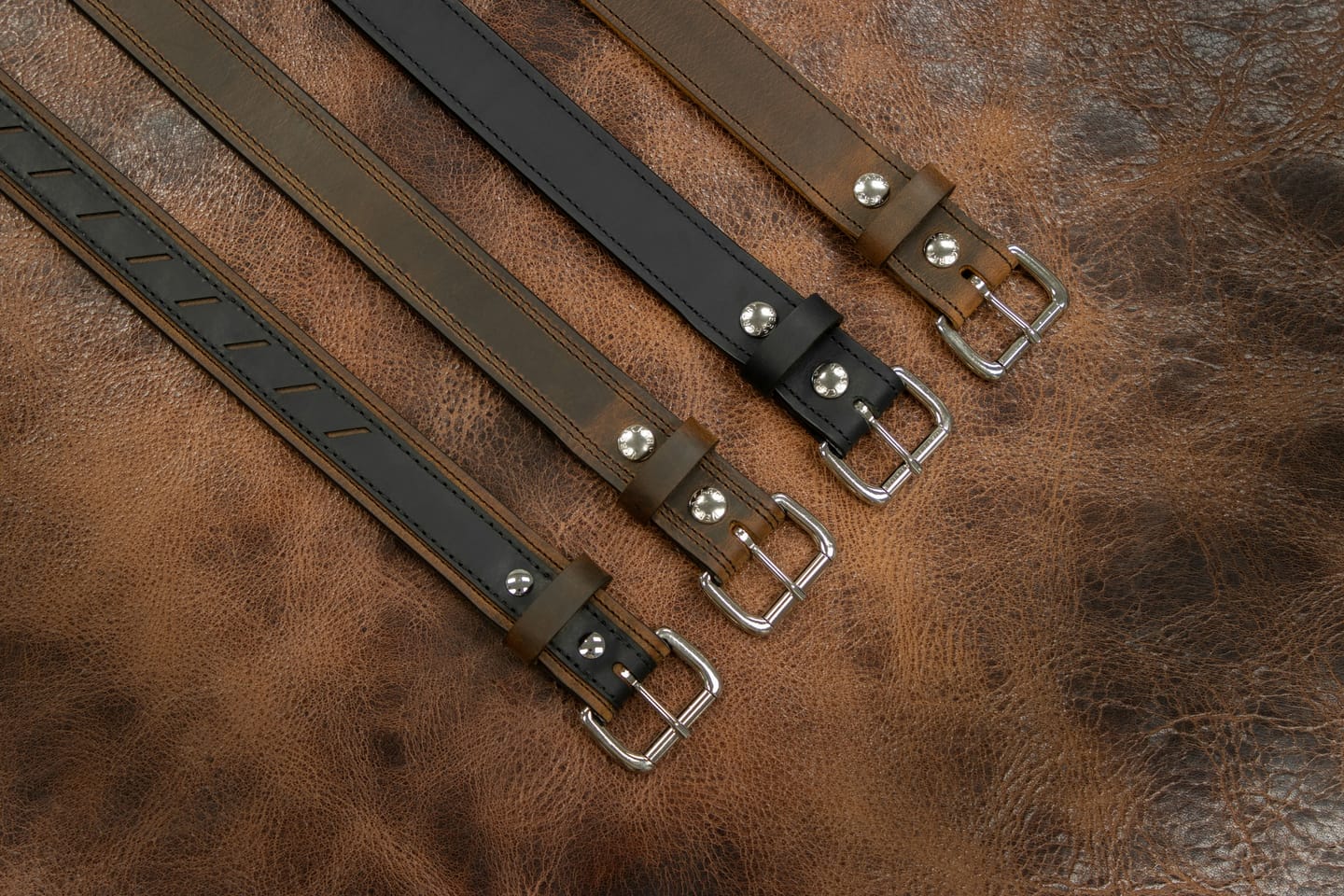
UK accessories manufacturing

Made to your
specification.
Finished with intent.

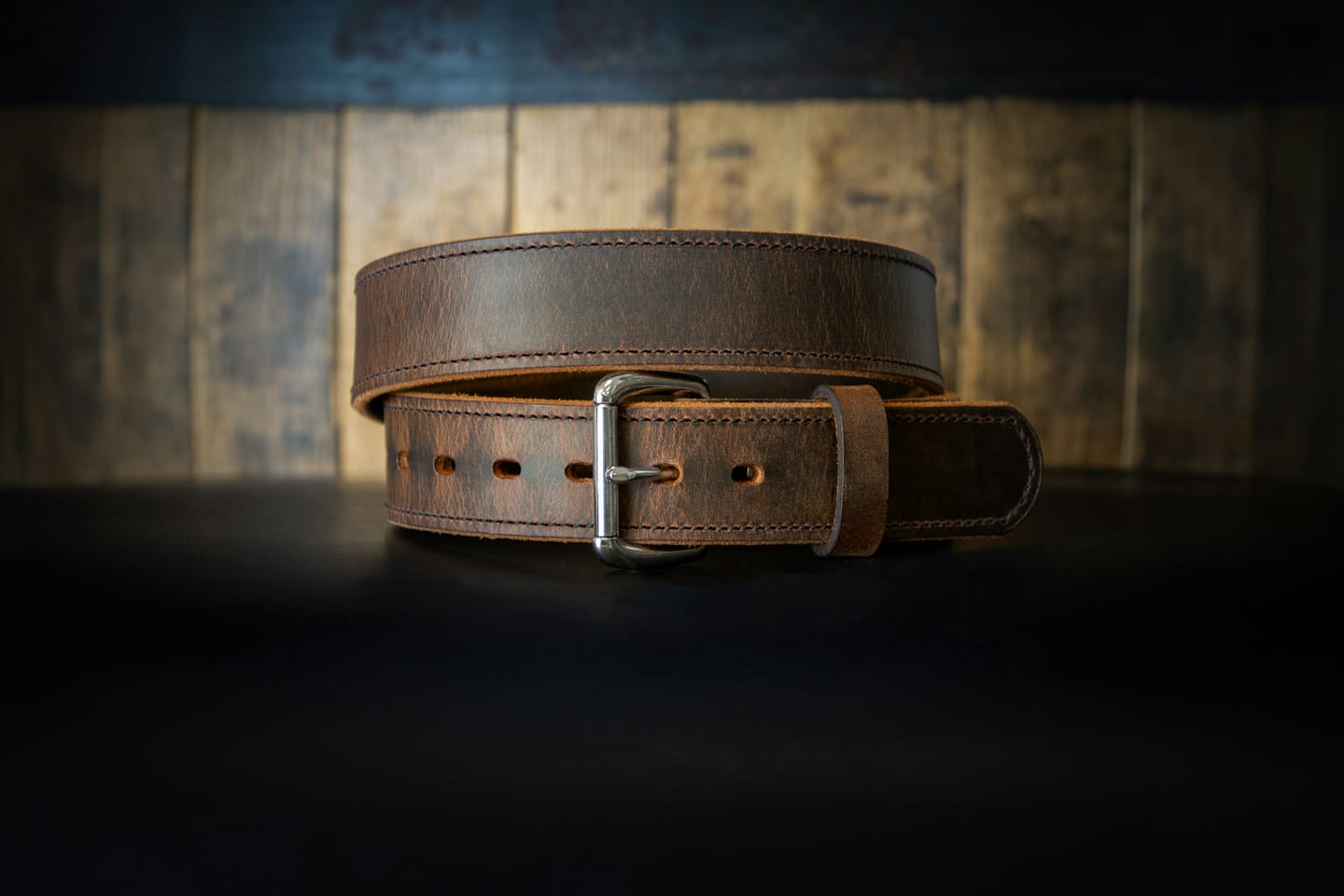
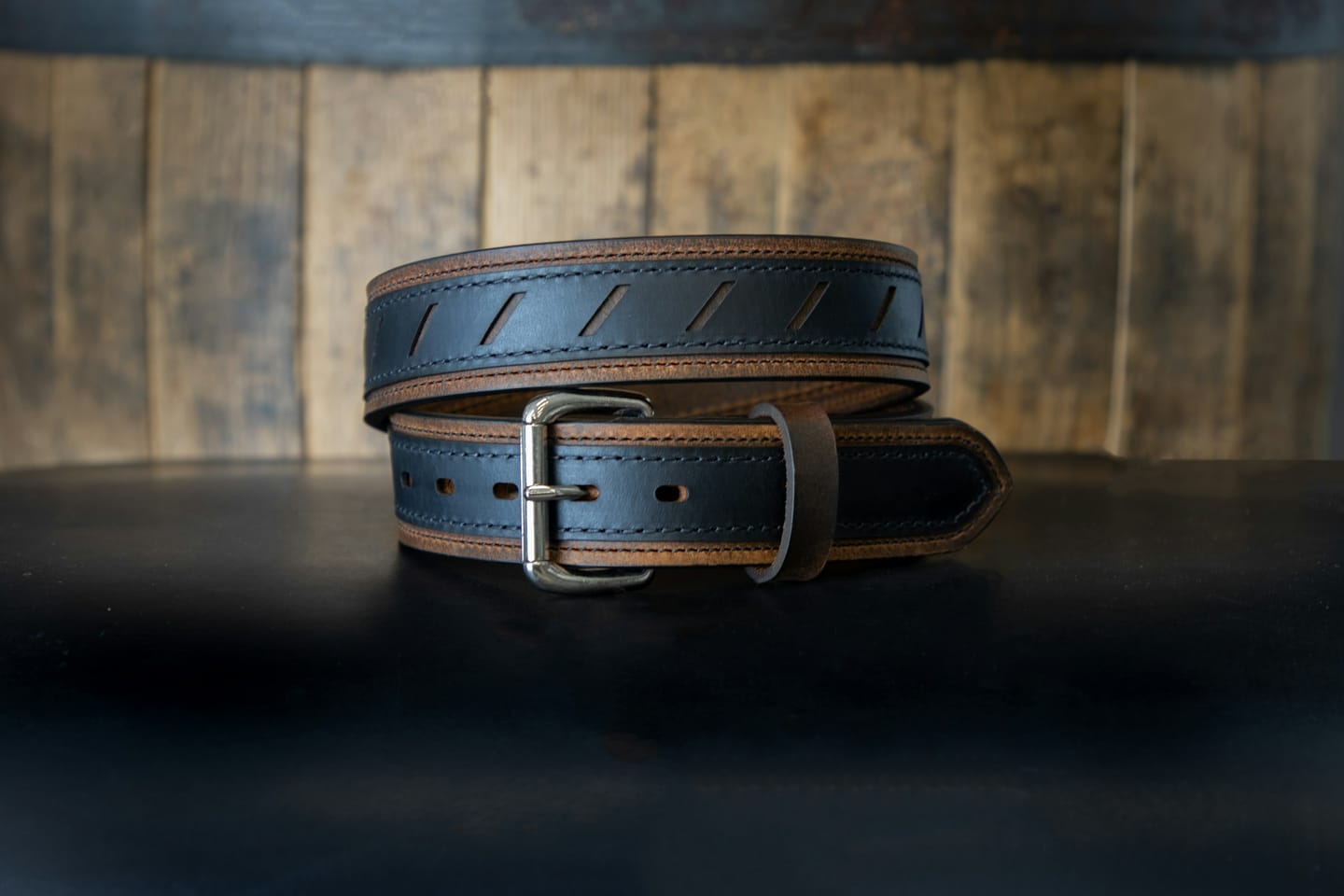
Northvale Clothing Ltd manufactures leather belts, braces, ties and finished fashion accessories for brands, boutiques, retailers, trade customers and its own collections, with production covering material preparation, finishing, hardware assembly and branding.

  • Belts
  • Braces
  • Ties
  • Private label
  • White label
  • Short runs
Construction table Ref / BLT

Width — to specification

Material
Full grain / to discuss
Edge
Burnished / finished
Hardware
Brass / nickel / matte black
Branding
Emboss / foil / to discuss
  • Full-grain leather
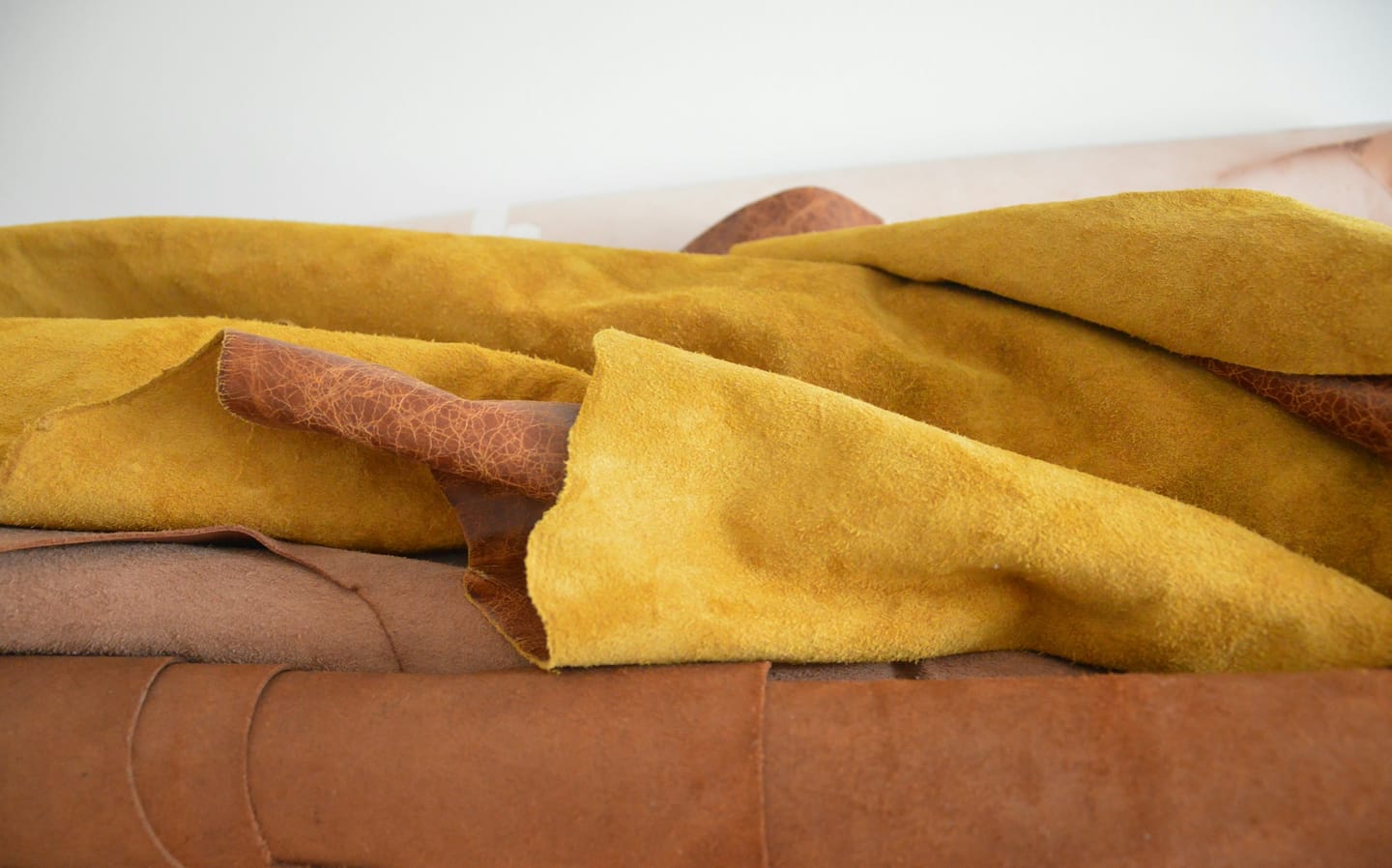
  • Split leather
  • Vegetable-tanned leather
  • Chrome-tanned leather
  • Bonded leather

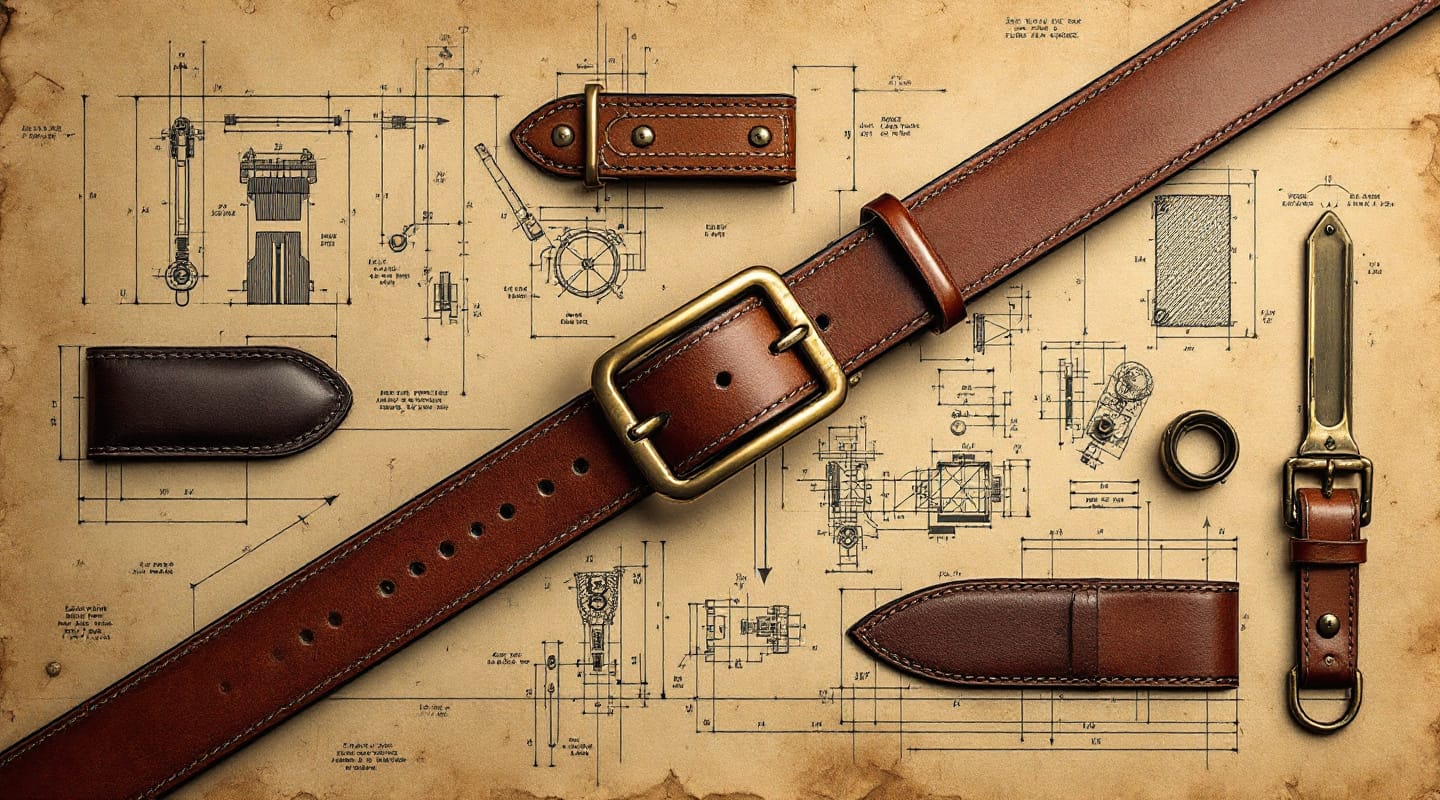
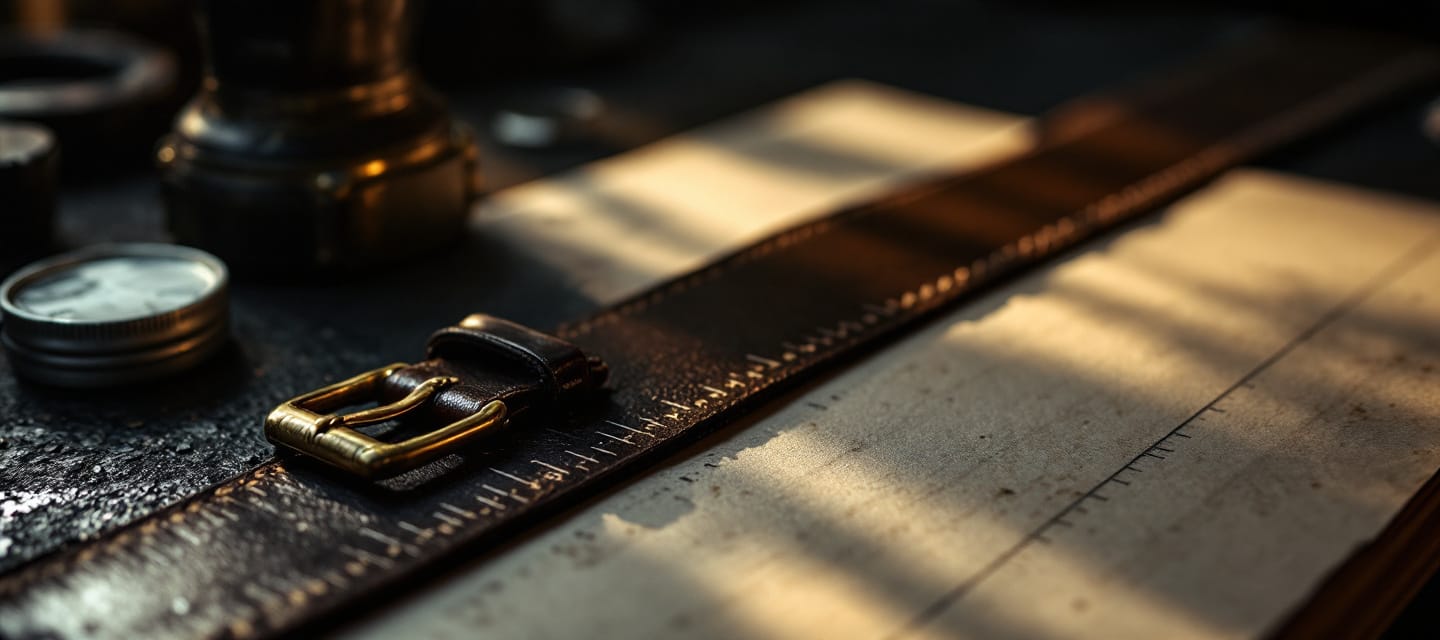
Illustrative construction layout

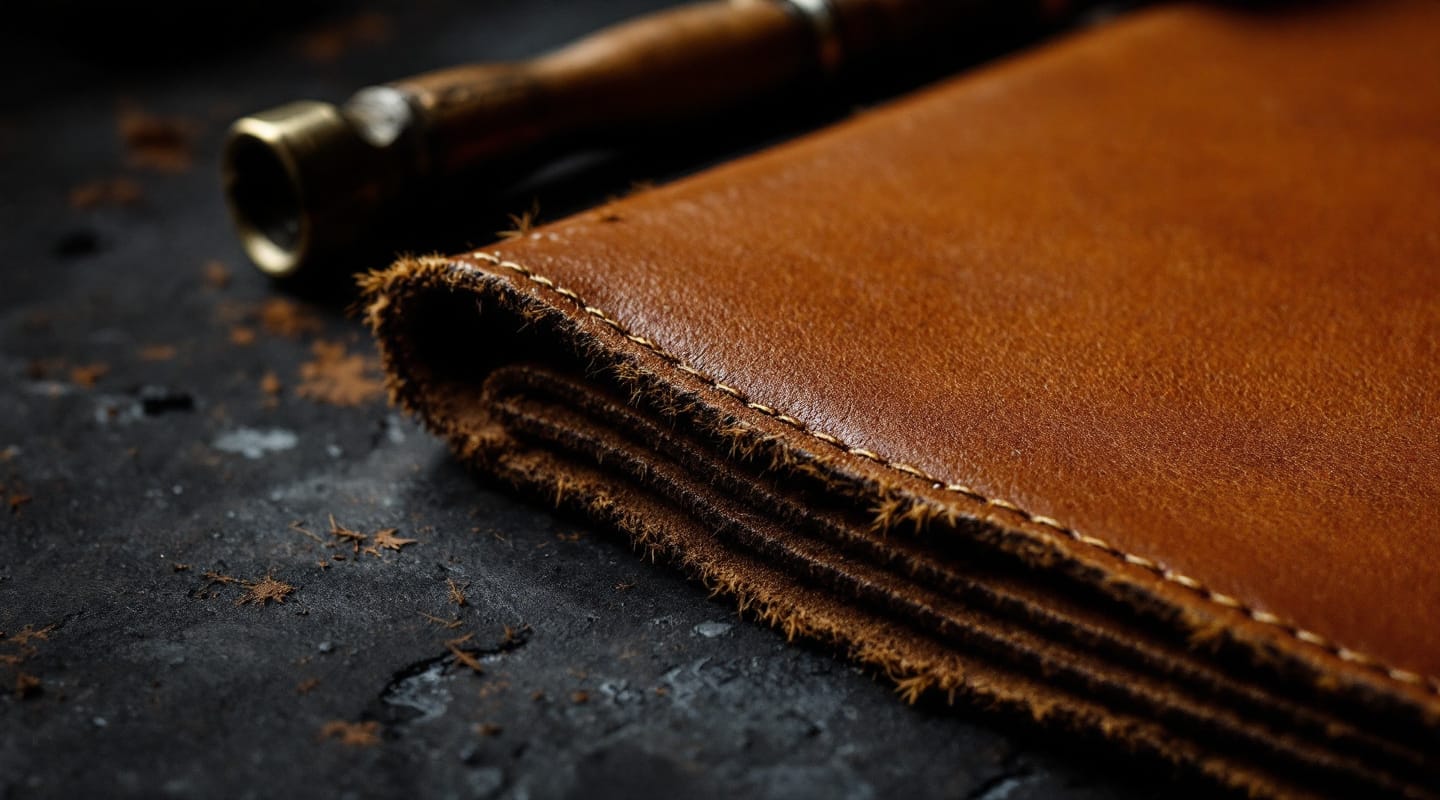
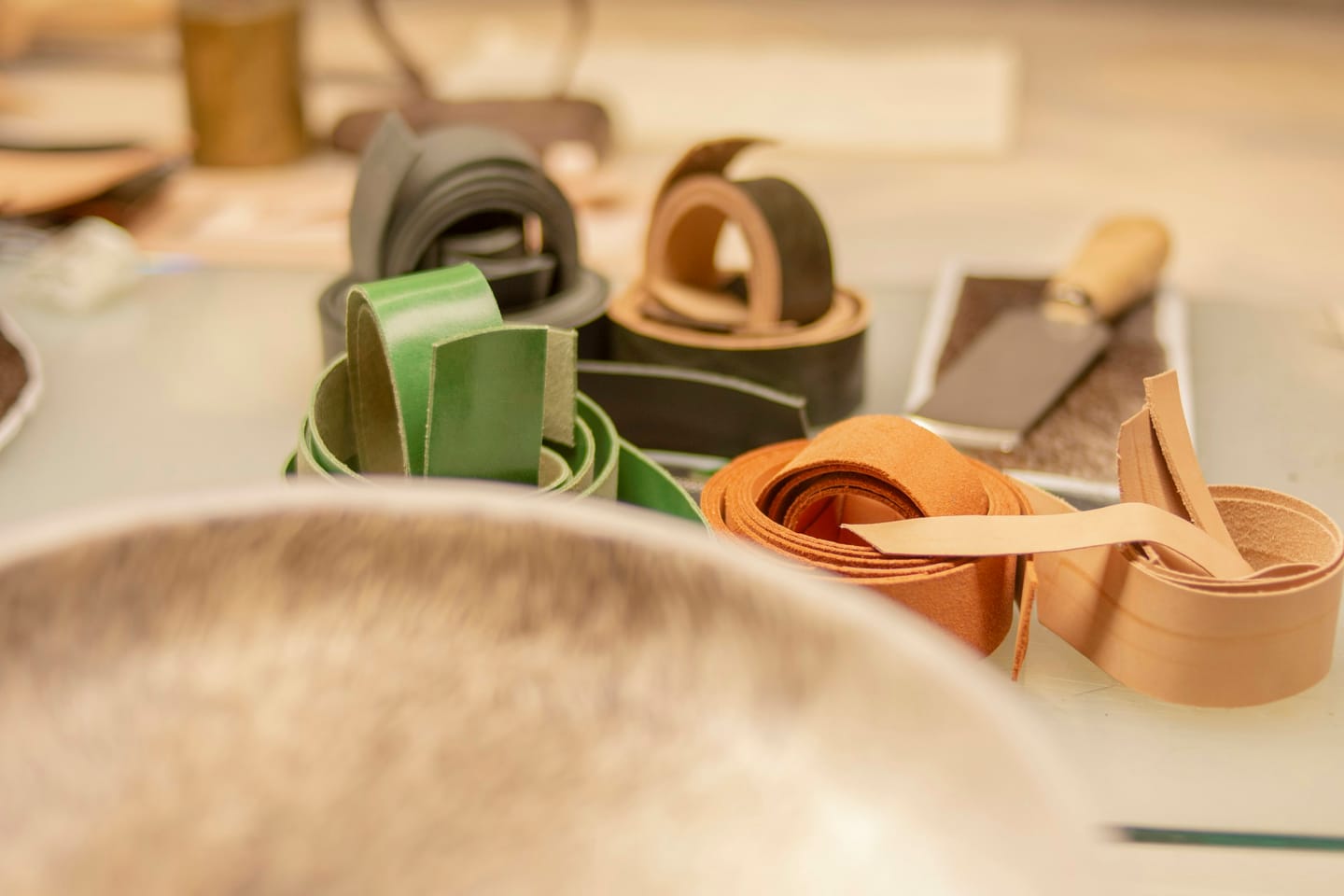
Material detail: a leather edge being finished
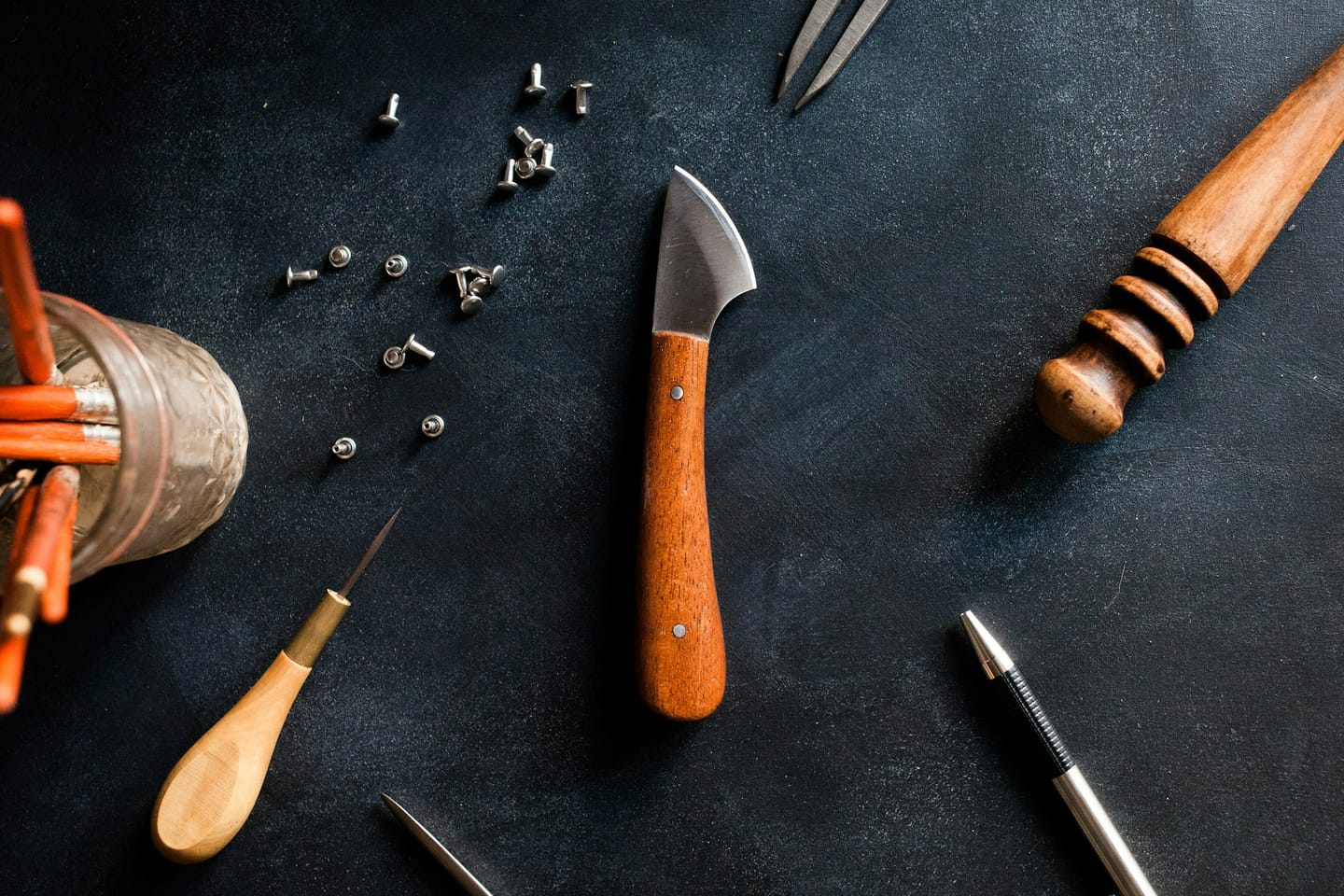
Hardware detail

Belts / Braces / Ties / Private label / White label / Short runs

Manufactured in the UK

01 From material to finished accessory

Northvale does not just sell accessories. Northvale understands how they are made.

Every product runs the same route across the bench. Material is chosen against the product, cut and strapped to width, reduced where it has to fold, finished at the edge, punched, assembled, branded and checked. Nothing is decorative — each stage changes what the finished accessory does in the hand.

  1. 01

    Material

    Hide, webbing or elastic selected for the product.

  2. 02

    Cut

    Cut and strapped to the agreed width.

  3. 03

    Skive

    Reduced where the material folds or joins.

  4. 04

    Edge

    Cut edge prepared and finished.

  5. 05

    Punch

    Holes set to the agreed position.

  6. 06

    Assemble

    Buckle, keeper and fastening fitted.

  7. 07

    Brand

    Embossed or foiled where agreed.

  8. 08

    Finish

    Checked against the specification.

Leather manufacturing context: a leather belt strap being worked by hand
Leather manufacturing context
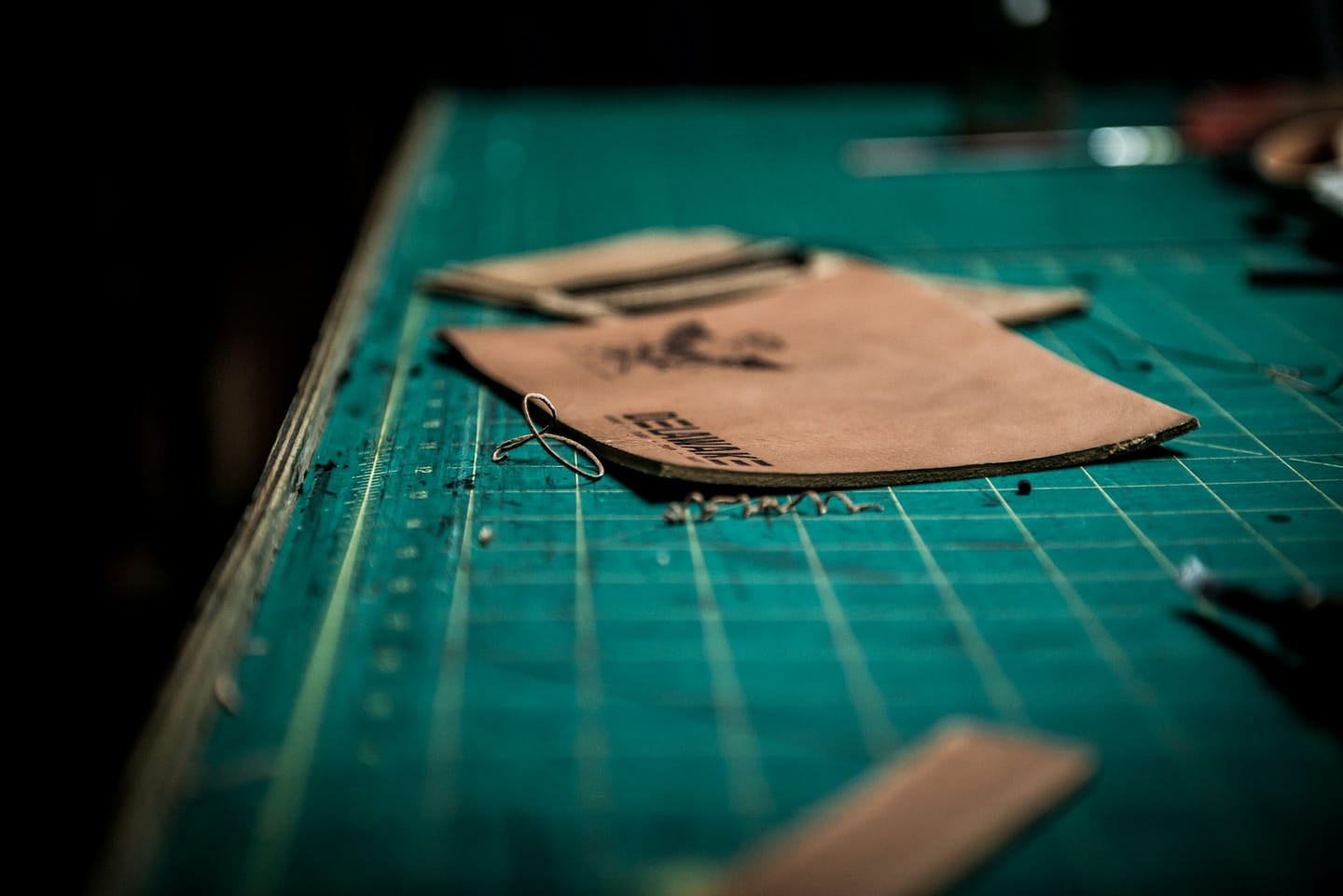
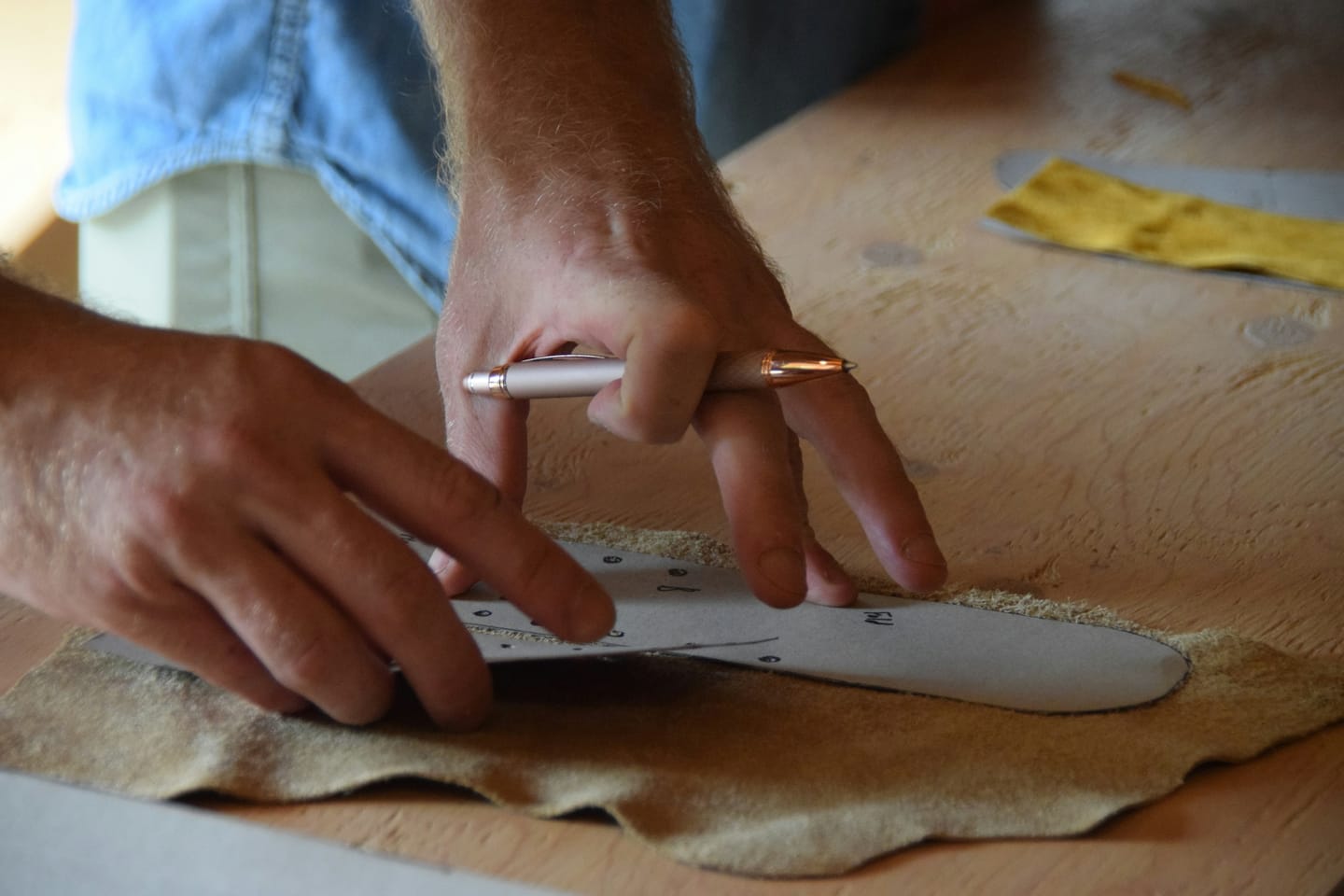
Material detail: leather being cut on a workbench
Material detail
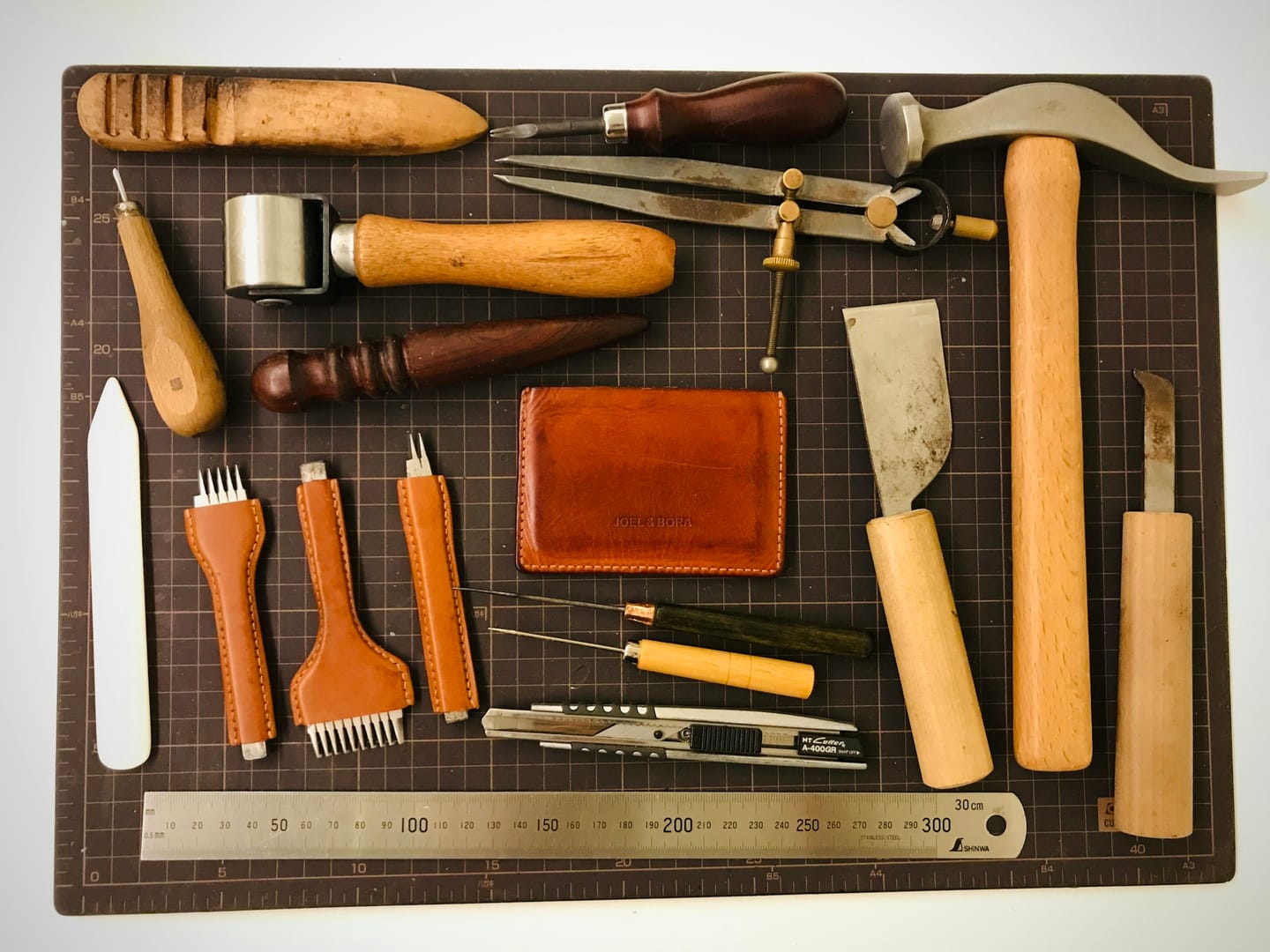
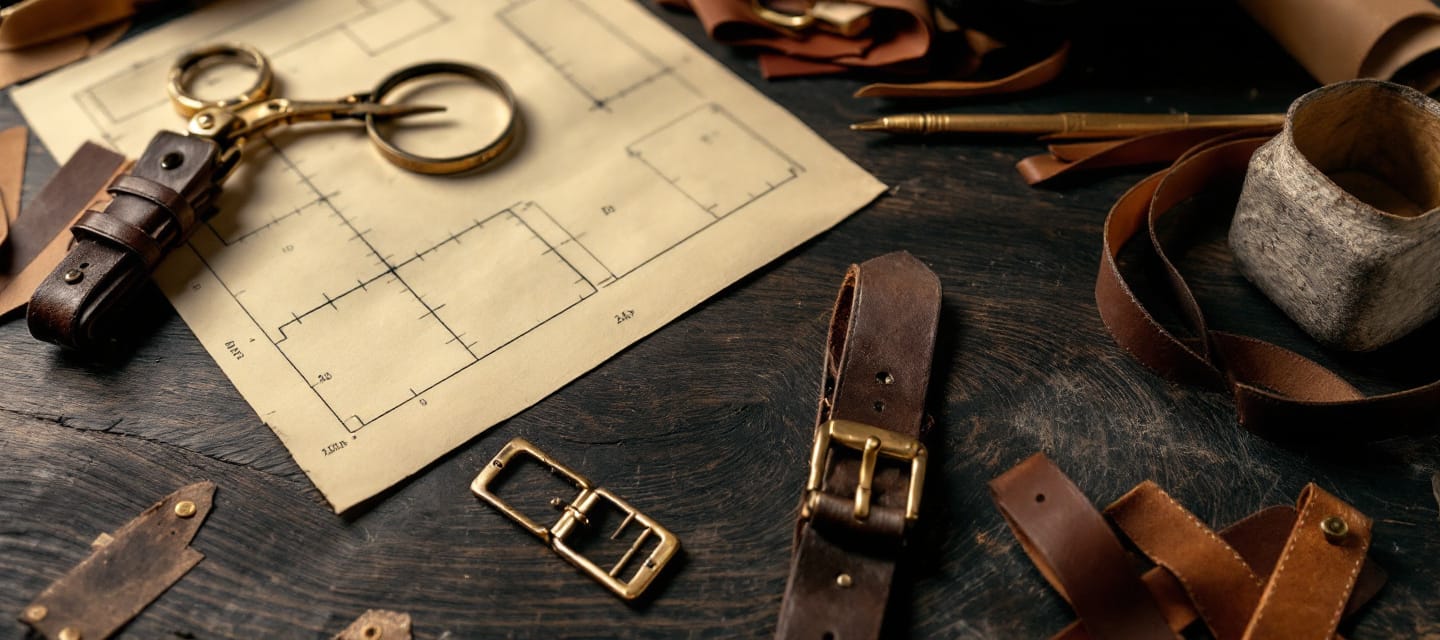
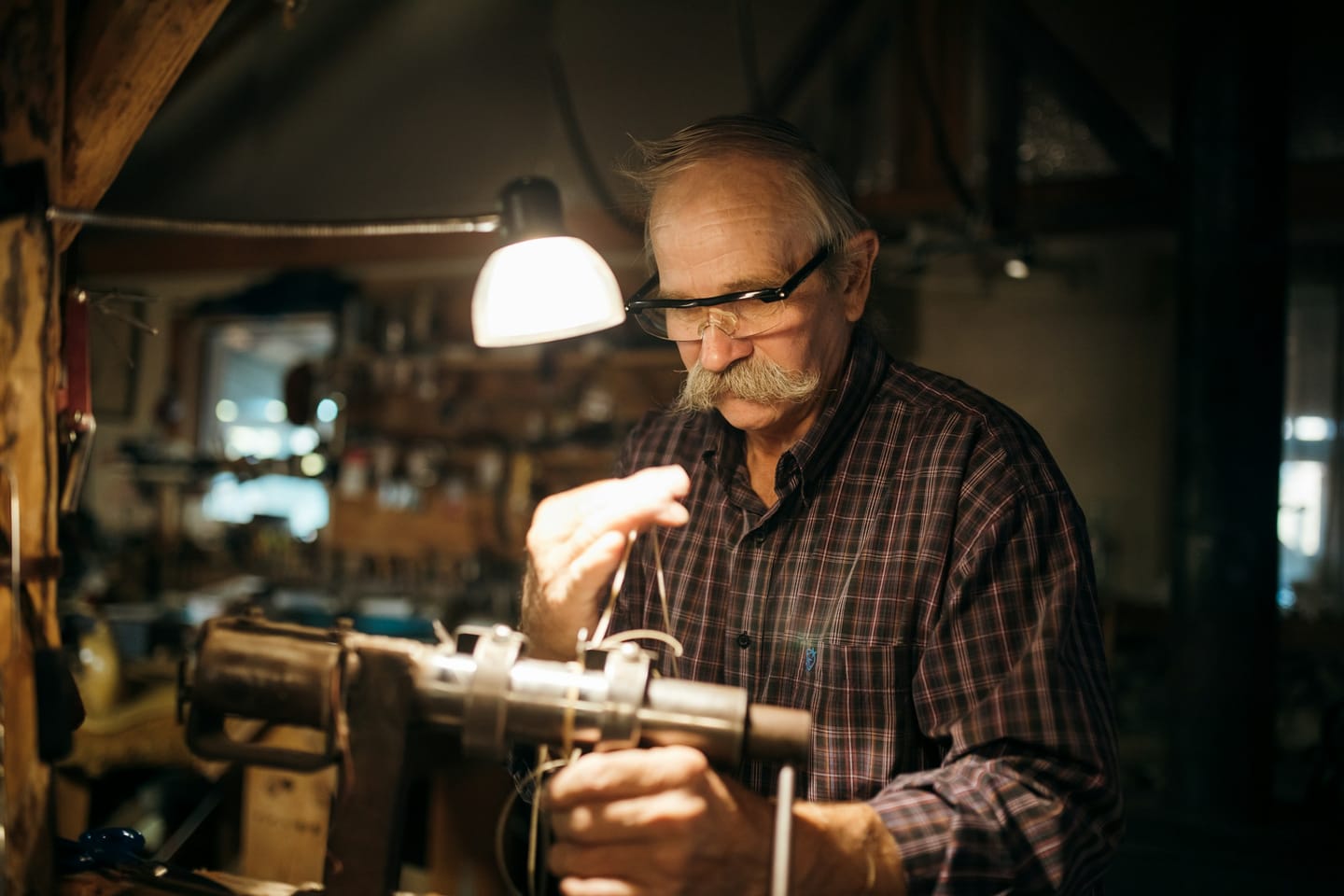
Workshop imagery: a leather workshop bench with tools and material
Workshop imagery

Material 01 → Finished product

02 What Northvale manufactures

Four product families, one manufacturing discipline.

Belts, braces, ties and small leather goods are built from the same understanding of material, hardware and finish — with the proportions and construction that each product actually needs.

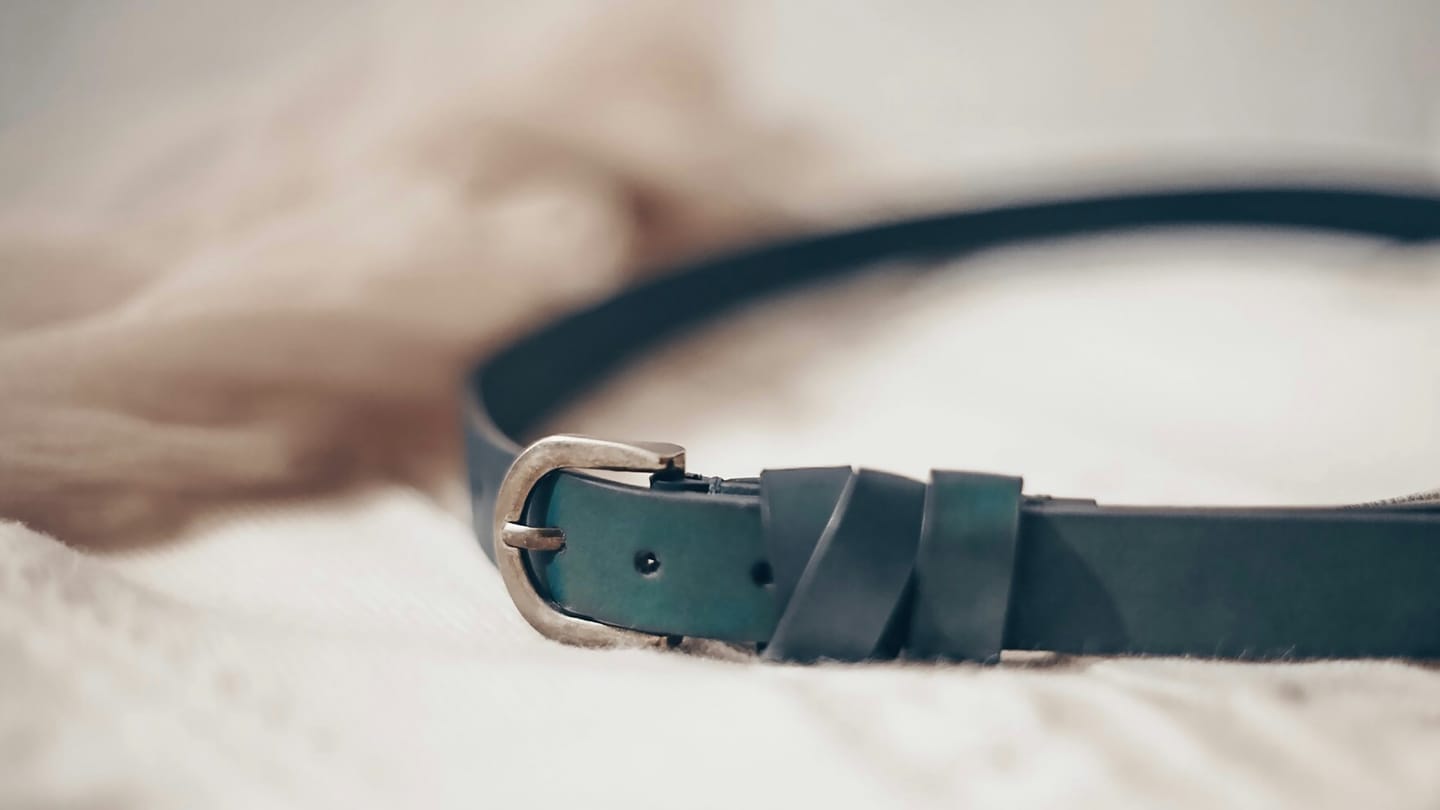
Accessories manufacturing context: a leather belt laid flat
Accessories manufacturing context

Product 01

Belts

The strap sets the proportion. Everything else answers to it.

Full-grain, split, vegetable-tanned, chrome-tanned and bonded leather, plus webbing. Cut and strapped to width, skived where the material returns around the bar, edge-finished, punched, riveted and fitted with the selected buckle. Branding is applied where it was agreed to sit.

  • Cut
  • Strap
  • Skive
  • Edge
  • Punch
  • Assemble
  • Brand
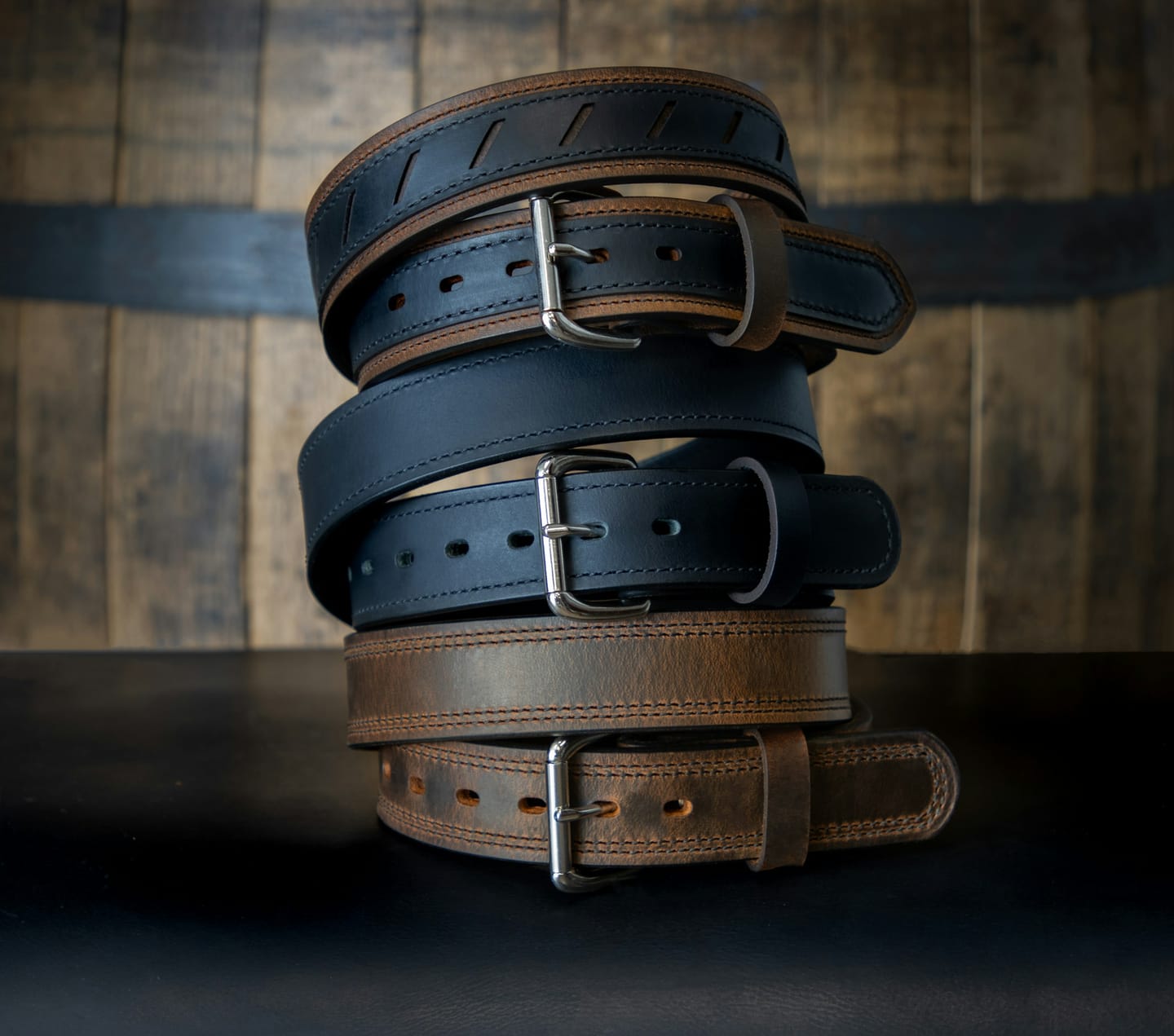
Leather belt manufacturing
Accessories manufacturing context: braces worn over a shirt, detail view
Accessories manufacturing context

Product 02

Braces

A vertical product with its own construction logic.

Elastic, fittings and ends worked together rather than assembled from assumptions. Formal, fashion, uniform and private-label applications, with width, colour, fitting direction and any branding agreed per project.

  • Elastic
  • Fittings
  • Ends
  • Branding
Braces & ties
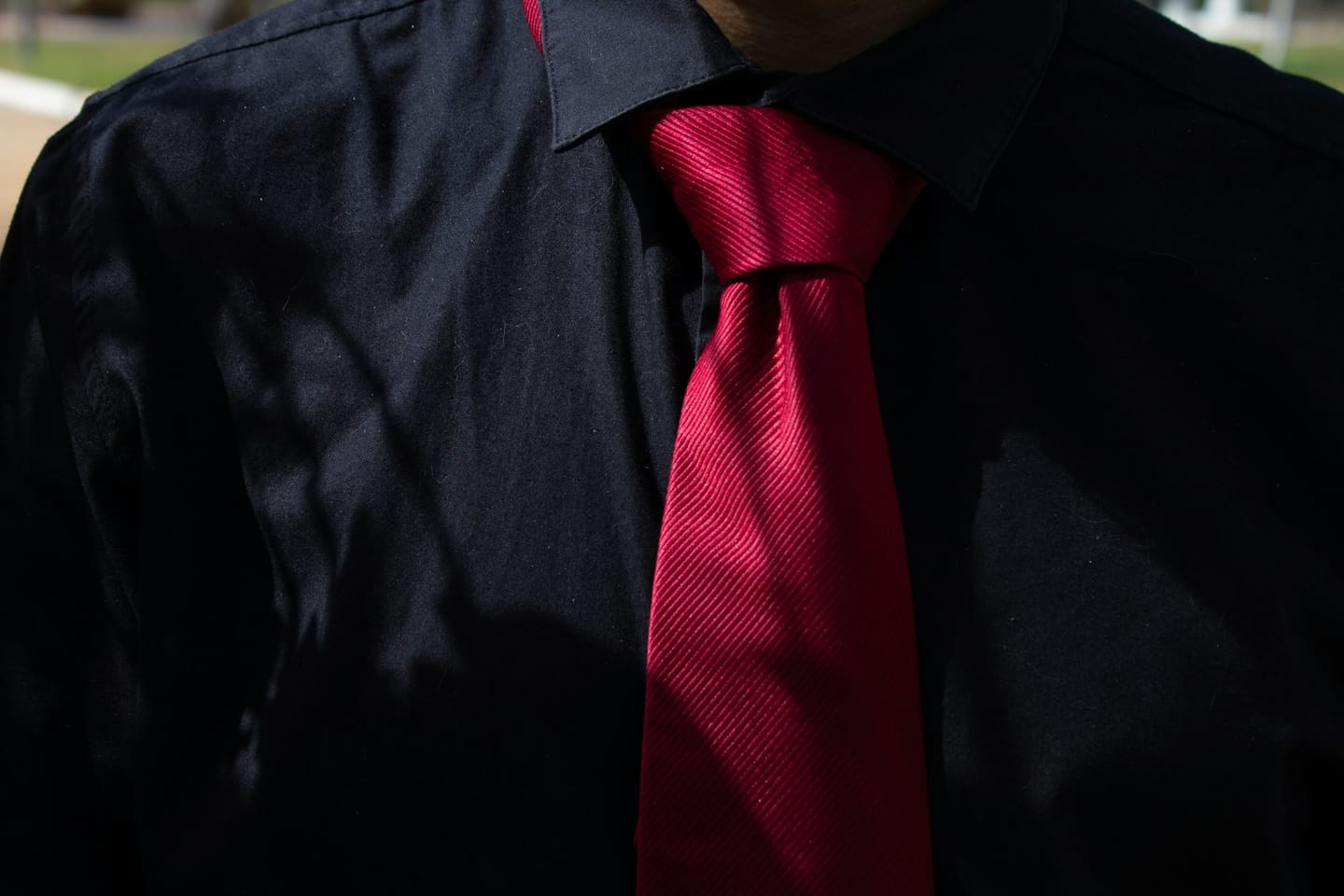
Accessories manufacturing context: a formal tie photographed in detail
Accessories manufacturing context

Product 03

Ties

A finished accessory, cut clean.

Formal, fashion, uniform and retail ties, produced for private-label and trade requirements. Fabric direction, construction and any branding are confirmed against the individual project rather than offered from a fixed catalogue.

  • Formal
  • Fashion
  • Uniform
  • Retail
Braces & ties
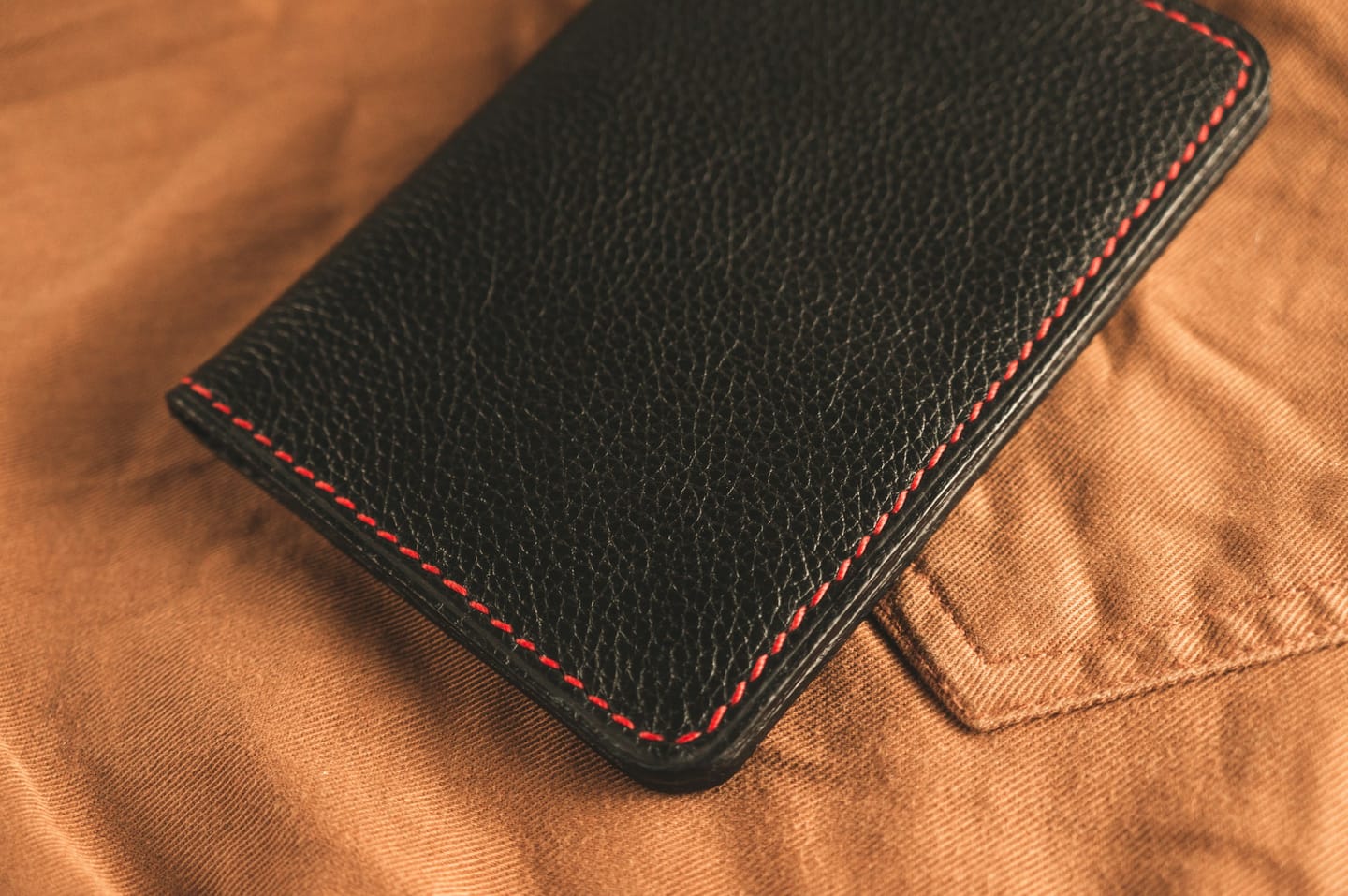
Material detail: a small leather item photographed close up
Material detail

Product 04

Small leather goods

Material at close range, where every edge shows.

Small leather goods and finished fashion accessories are produced alongside the belt and brace work, using the same cutting, skiving, edge finishing and branding disciplines. Scope for a specific item is confirmed individually.

  • Cut
  • Skive
  • Edge
  • Emboss
Discuss a product

03 Belt manufacturing

The belt is simple. The construction is not.

A belt is a strap, an edge, a set of holes, a keeper, a buckle, a fastening and a mark. Each one is a decision, and each decision changes how the finished product reads and wears.

  1. 01 Strap Cut from the hide and strapped to the width agreed for the project.
  2. 02 Edge Prepared and finished — burnished or otherwise treated as specified.
  3. 03 Holes Punched to the position and count set by the agreed size range.
  4. 04 Keeper The loop that retains the free end of the strap once fastened.
  5. 05 Buckle Selected per project in brass, nickel or matte black, polished or antique.
  6. 06 Rivet / fastening Secures the return of the strap around the buckle bar.
  7. 07 Branding Embossed or hot-foil mark, in a position agreed before production.

Conceptual construction study — no dimensions implied

Material

Full-grain, split, vegetable-tanned, chrome-tanned, bonded, webbing

Width

To specification

Edge

Hand-burnished or otherwise finished, per project

Hardware

Brass, nickel or matte black; polished or antique

Branding

Embossing or hot foil, where agreed

Finish

Reviewed against the agreed specification

Leather belt manufacturing
Material detail: leather being cut to width
Material detail
Material detail: a leather edge being finished
Material detail
Hardware detail: a belt buckle photographed close up
Hardware detail
Material detail: a cut leather strap
Material detail

04 Private label

Your brand. Your specification. UK production.

Private-label work starts with your intention for the product and ends with a finished accessory that carries your mark. Between those points sits a written specification that both sides can hold each other to.

  1. 01 Brief What the product is for, and what it has to say.
  2. 02 Specification Material, colour, dimension, hardware, branding, edge, quantity, timing.
  3. 03 Production Cut, skived, finished, punched, assembled and branded to that specification.
  4. 04 Review & supply Checked back against the brief, then prepared for supply.

Format / Spec

Belt — project format

Rev —

Product
Belt
Material
Full grain / to discuss
Hardware
Brass / nickel / matte black
Branding
Emboss / foil / to discuss
Edge
Burnished / finished / to discuss
Quantity
By enquiry
Timing
By agreement

Illustrative specification format

The format above shows how a project is written down. It is not a quotation, a minimum order quantity, a price or a production commitment — quantity and timing are agreed individually.

05 Material library

Material first. Everything else follows from it.

Seven working materials, described for what they actually are. The right one depends on the product, the intended use and the character you want the finished accessory to have.

Material detail: full-grain leather surface texture
Material detail
Material 01

Full-grain leather

Leather that retains the outer grain surface of the hide rather than having it corrected away.

Grain, colour and surface character vary naturally. Exact matching between hides, batches or repeat production cannot be guaranteed.

Material detail: a napped split leather surface
Material detail
Material 02

Split leather

The lower layer separated from a hide once the grain layer has been split away.

Surface, absorbency and finish response vary by material. Samples are assessed per project rather than assumed.

Material detail: vegetable-tanned leather
Material detail
Material 03

Vegetable-tanned leather

Leather tanned using tannins rather than chromium salts.

Tone shifts over time are inherent to the material and are not a fault. We make no environmental claim for this tannage.

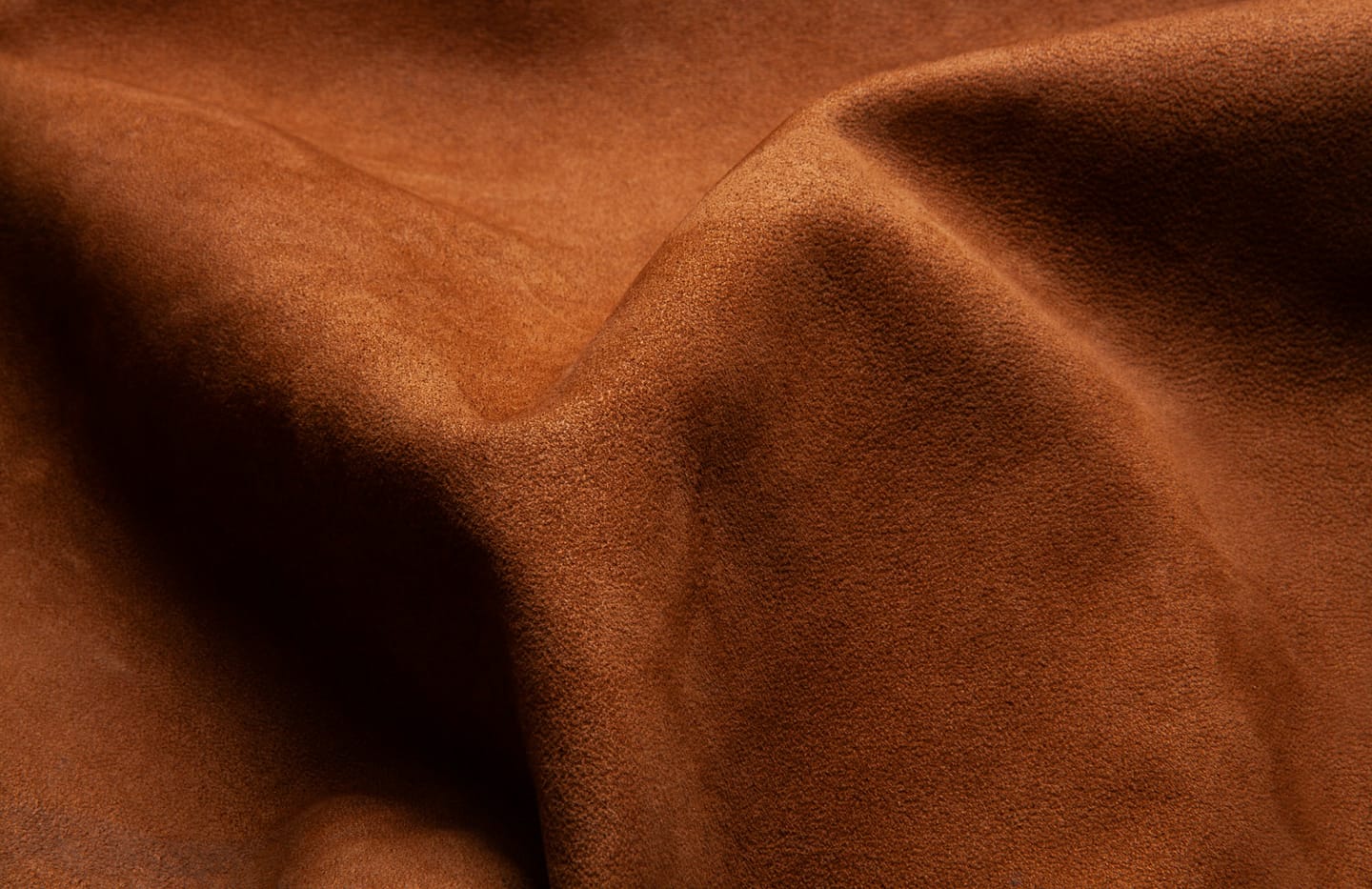
Material detail: a soft brown leather surface
Material detail
Material 04

Chrome-tanned leather

Leather tanned using chromium salts, the most widely produced tannage.

Colour reproduction on screen will differ from the physical material. Colour is confirmed against a physical reference.

Material detail: a uniform dark leather-type surface
Material detail
Material 05

Bonded leather

A manufactured material produced from bonded leather fibre with a surface layer applied.

Performance and handling characteristics differ from full-grain and split leather. Suitability depends on the intended use.

Material detail: elasticated textile
Material detail
Material 06

Webbing

Woven textile strapping supplied as a belt and accessory material.

Available colours, weaves and widths vary by what can be sourced for the individual project.

Accessories manufacturing context: braces hardware and elastic detail
Accessories manufacturing context
Material 07

Elastic

Elasticated material used in the construction of braces.

Composition, width, colour and stretch character are confirmed per project against the material actually selected.

Open the full material library

06 Hardware bench

Hardware changes the whole product.

The same strap in brass, nickel or matte black is three different products. Direction and finish are chosen against the material, the colour and what the accessory is for.

Leather manufacturing context: belt making at a workbench
Leather manufacturing context
Hardware 01

Brass

A warm, golden-toned hardware direction that sits naturally alongside brown and tan leather.

  • Polished
  • Antique
Hardware detail: a belt buckle photographed close up
Hardware detail
Hardware 02

Nickel

A cooler, silver-toned hardware direction with a cleaner, more contemporary appearance.

  • Polished
  • Antique
Material detail: a webbing belt
Material detail
Hardware 03

Matte black

A low-reflectance dark hardware direction that recedes rather than drawing the eye.

  • Matte
Hardware in detail

07 Finish & branding

The detail is where the product becomes yours.

Embossing, hot-foil branding, hand-burnished edges, edge finishing, punching and riveting. These are the operations that separate a cut strip of leather from a finished accessory.

Edge 01 / Before → after Raw edge, then finished edge

Top Cut edge as it leaves the strapping stage.

Below The same edge once prepared and finished.

Brand 01 / Unmarked → marked Unbranded area, then a pressed mark

Sample Neutral Northvale sample mark, shown to illustrate the method.

Note Achievable detail depends on the material and the branding method agreed.

  • 01 Embossing A mark pressed into the material itself.
  • 02 Hot-foil branding A metallic mark applied under heat.
  • 03 Hand-burnished edges The cut edge worked until it is closed and smooth.
  • 04 Edge finishing Preparation and treatment of the edge along its length.
  • 05 Punching Holes set to the agreed position and count.
  • 06 Riveting The fastening that secures the return around the bar.
Finishes & branding

08 White label

Build a range without starting from a blank page.

Northvale may support agreed white-label arrangements around suitable products and production requirements. Rather than a published catalogue, the starting point is a conversation about what a workable range looks like for your business.

A range is usually easier to agree when it is described as a family rather than a list: a base construction, the variables that change across it, and the branding that makes it yours. The families below are a way of structuring that discussion — they are not stock, and they are not products that exist ready to ship.

  1. 01
    Core belt family

    A base strap direction with width, colour and hardware agreed as the range variables.

  2. 02
    Formal accessory family

    Braces and ties grouped around a shared material and hardware reading.

  3. 03
    Trade & uniform family

    Leather and webbing belts built for repeat supply against a fixed specification.

  4. 04
    Seasonal additions

    A smaller set of colour or material changes layered onto an existing range.

09 Scale & requirement

Smaller collections. Serious production.

For brands requiring manufacturing flexibility without automatically moving into overseas bulk production.

Workshop imagery: a small leather workshop interior
Workshop imagery

Bespoke & short runs

Independent labels, boutiques, specialist products, seasonal ranges, collection testing and limited production. A short run is still a specification, still cut properly and still finished properly — it is simply a smaller quantity of it.

  • Independent labels
  • Boutiques
  • Seasonal ranges
  • Collection testing
Bespoke & short runs
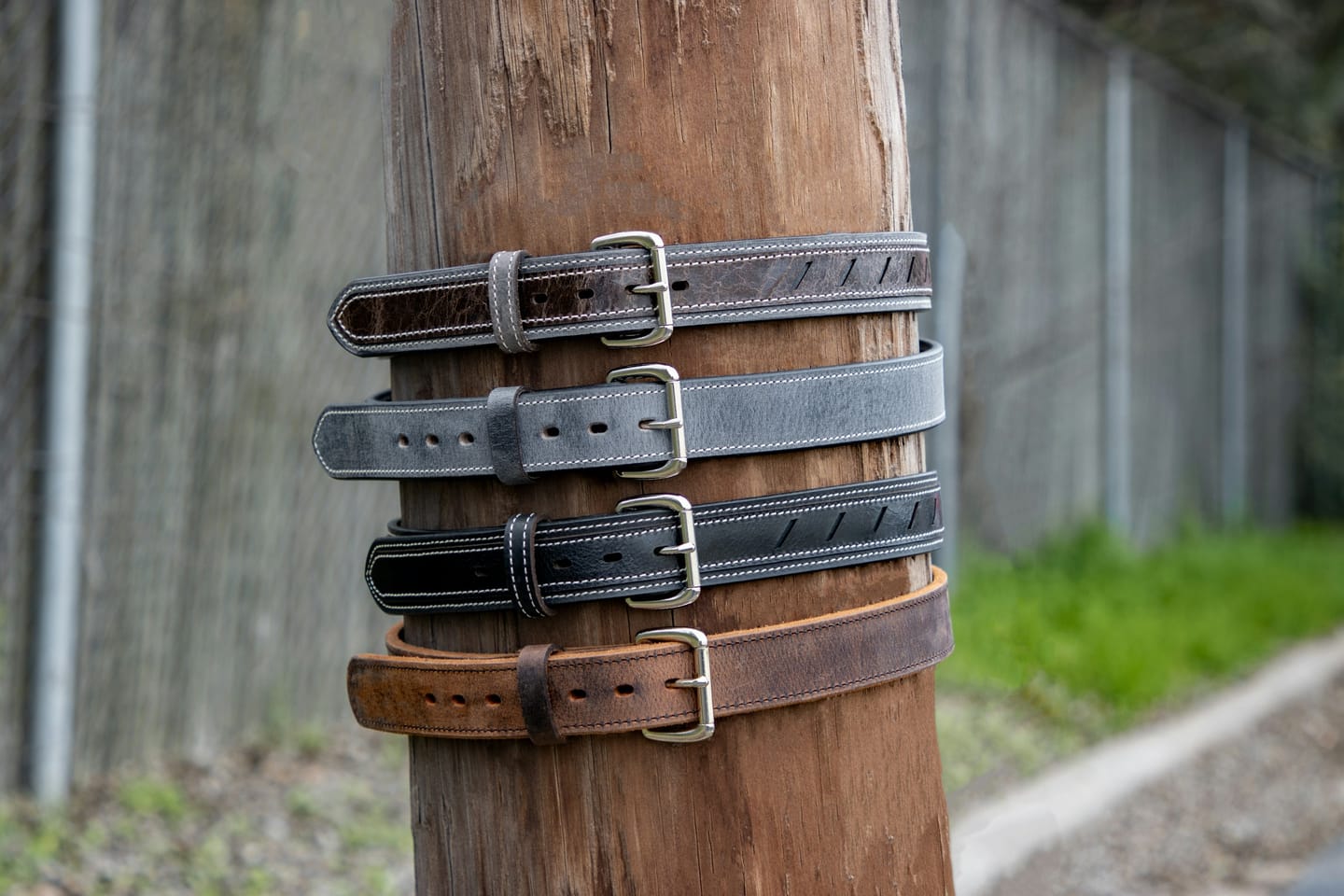
Accessories manufacturing context: a practical work belt
Accessories manufacturing context

Uniform & workwear

Leather belts, webbing belts and braces built around commercial requirements: an agreed colour, an agreed hardware direction, an agreed width, supplied again when it is needed. No protective or PPE performance is claimed for these products.

  • Webbing belts
  • Leather belts
  • Braces
  • Repeat supply
Uniform & workwear

10 Manufacturing process

From your specification to a finished UK-made accessory.

Eleven stages, from writing the requirement down to preparing the finished product for supply. Each one exists because skipping it shows up in the product.

  1. 01 Specify
  2. 02 Select
  3. 03 Prepare
  4. 04 Cut
  5. 05 Skive
  6. 06 Edge
  7. 07 Punch
  8. 08 Assemble
  9. 09 Brand
  10. 10 Review
  11. 11 Supply

11 Who we manufacture for

Different requirements, the same specification discipline.

Brands, boutiques and trade customers arrive with genuinely different problems. What stays constant is that the requirement is written down before anything is cut.

01

Fashion brands

The product has to carry the brand, not just fasten a garment.

Brand-led work usually starts from a design intention: a particular material character, a specific hardware reading, a branding position that sits with the rest of the range. The specification is built around that intention and then checked back against what the material will actually do.

  • Material direction
  • Hardware reading
  • Branding position
  • Seasonal ranges
Explore

02

Independent boutiques

Smaller ranges, still built properly.

Boutique and independent-label work tends to need manufacturing flexibility rather than volume: a tighter range, a considered material, a mark that belongs to the shop. Short runs are treated with the same specification discipline as larger projects.

  • Short runs
  • Own-label marks
  • Curated materials
  • Collection testing
Explore

03

Trade & workwear

Consistency, repeatability and a specification that holds.

Trade, uniform and workwear requirements are usually about a specification that can be repeated: an agreed colour, an agreed hardware direction, an agreed width, supplied again when it is needed. Practical construction matters more than seasonal change.

  • Repeat supply
  • Agreed colour
  • Webbing & leather
  • Uniform programmes
Explore

12 Northvale collection

Northvale, made under our own name.

Alongside the brand, trade and private-label work, Northvale produces under its own name. The own-label range is being structured around the same manufacturing capabilities used for customer production — the same materials, the same hardware directions, the same finishing.

Specific products, specifications and availability will be presented here as they are confirmed. Until then, collection enquiries are welcome and are answered individually.

Accessories manufacturing context: an editorial photograph of a leather belt
Accessories manufacturing context

13 Manufacturing responsibility

What we confirm, and what we will not claim.

A manufacturing website is only useful if it is honest about what can and cannot be promised before a project exists. These six modules set out how work is agreed.

01

Material specification

Material is confirmed per project. Full-grain, split, vegetable-tanned, chrome-tanned and bonded leather, webbing and elastic each behave differently, and the material is selected against the intended product rather than described in general terms. No claim is made here about origin, tannery, environmental performance or certification.

02

Hardware

Hardware direction — brass, nickel or matte black — and finish are selected per project. Availability of a particular component or finish may vary, and appearance can differ slightly between batches. No plating specification, metal-content statement, corrosion performance or durability guarantee is published.

03

Branding

Embossing and hot-foil branding are applied in an agreed position at an agreed size, using artwork the customer has approved. The customer is responsible for holding the rights to any supplied mark. Achievable detail depends on the material and method selected.

04

Natural variation

Leather is a natural material. Colour, grain and surface character vary within a hide, between hides and between batches. Those differences are inherent to the material. Exact grain consistency and identical appearance across repeat production cannot be guaranteed.

05

Customer specification

Where production follows a customer-supplied design, dimension set, artwork or technical file, the customer should verify the accuracy and suitability of that information before production begins. Production outcomes follow the specification that was agreed.

06

Production transparency

Quantities, timing, scope and the stages involved are confirmed individually for each order or project, in writing, rather than presented as standard figures on this website. Where something cannot be committed to, it is discussed rather than assumed.

Manufacturing enquiry

What are you looking to make?

Tell us about the product, material, quantity, hardware, branding and finish you require.

  • Belts
  • Braces
  • Ties
  • Small leather goods
  • Private label
  • White label
  • Short runs