Materials

The material library.

Material first. Everything else follows from it.

Seven working materials, described for what they actually are. Northvale makes no claim on this website about leather origin, tannery, environmental performance or certification — only about how each material behaves and what it is generally suited to.

Leather
Full-grain, split, vegetable-tanned, chrome-tanned, bonded
Textile
Webbing and elastic
Colour
Confirmed against a physical reference
Availability
Reconfirmed for each production

01 Index

Seven materials, seven different products.

Jump straight to a material, or read the library in order.

  1. 01 Full-grain leather
  2. 02 Split leather
  3. 03 Vegetable-tanned leather
  4. 04 Chrome-tanned leather
  5. 05 Bonded leather
  6. 06 Webbing
  7. 07 Elastic

02 Library

What each material is, and what it asks of the product.

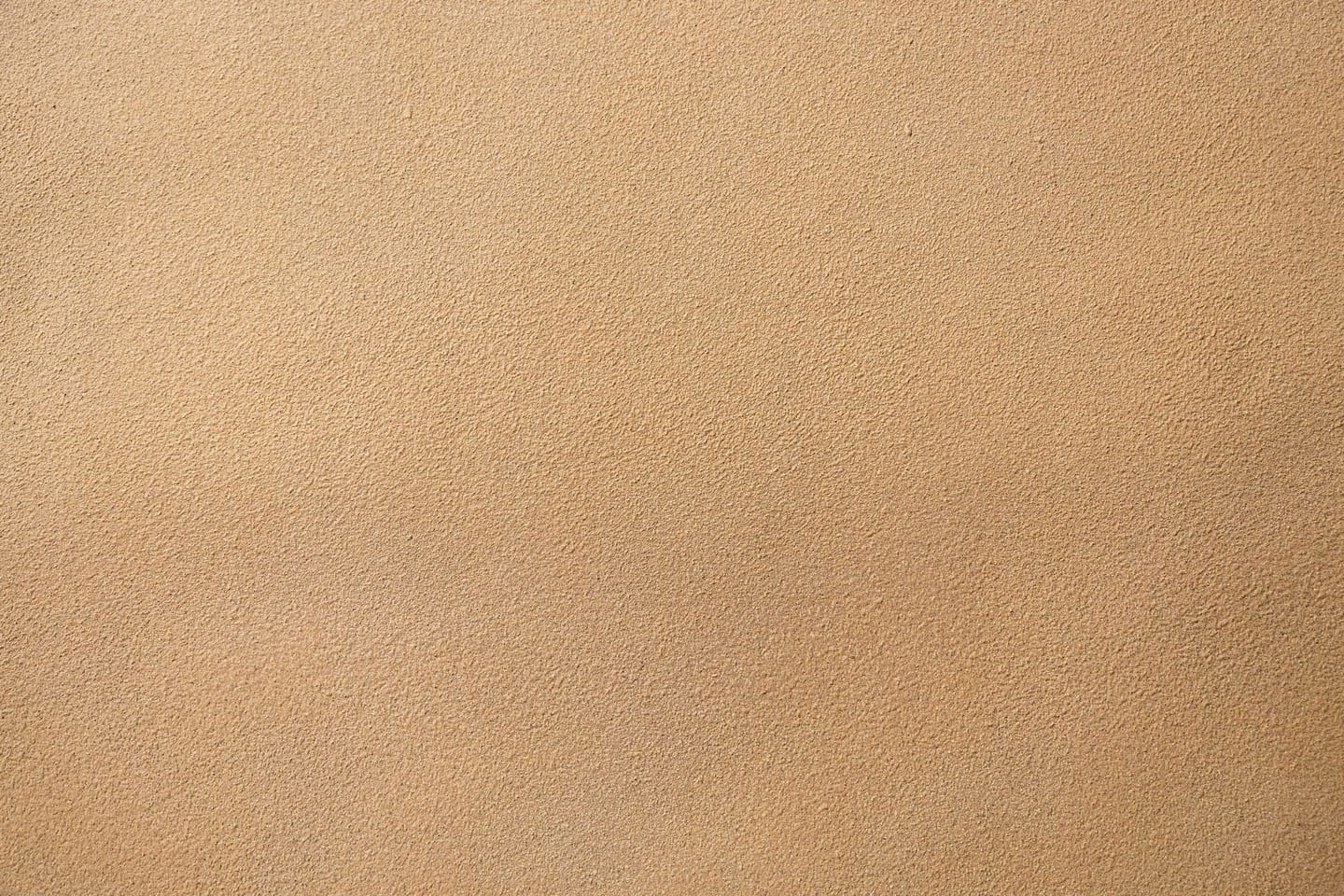
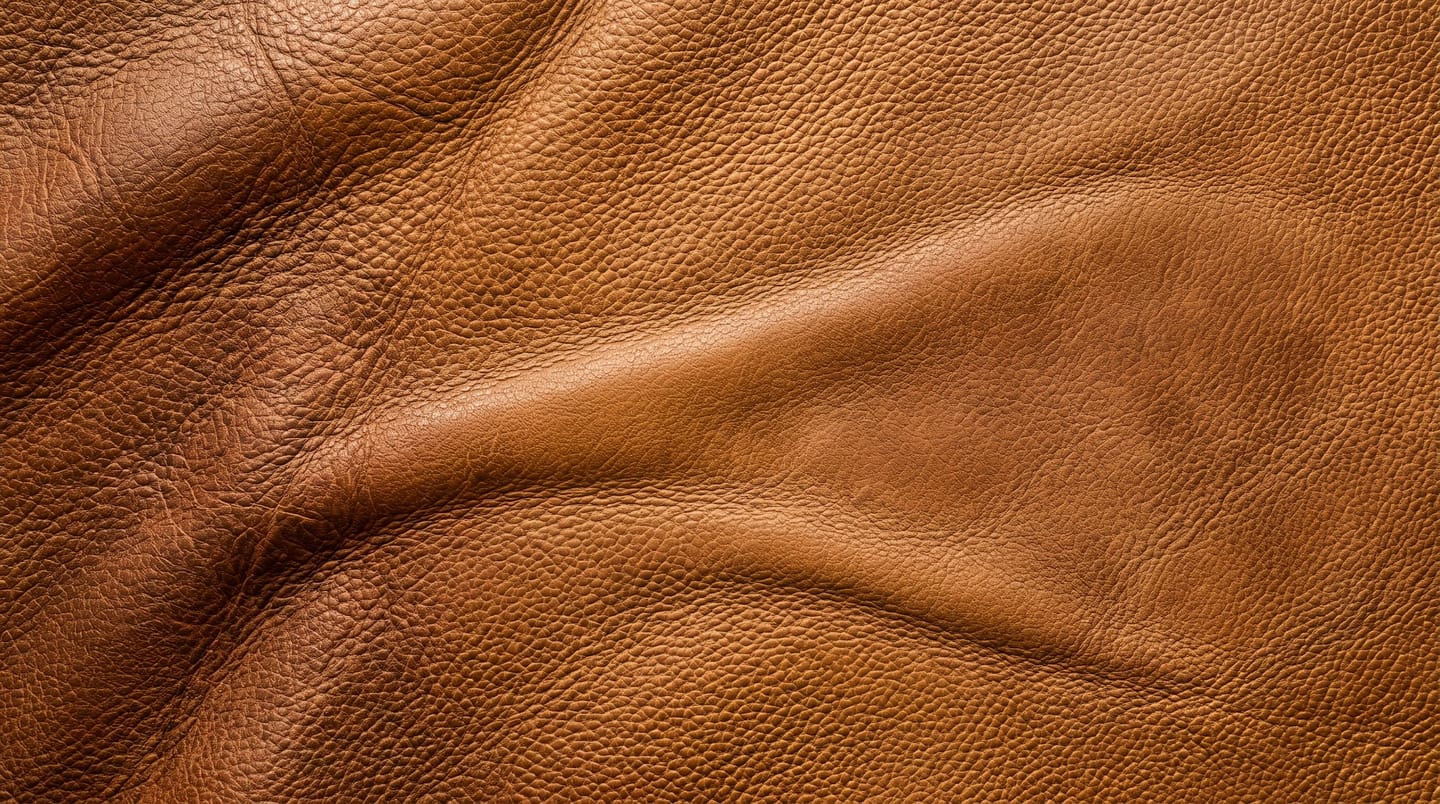
Material detail: full-grain leather surface texture
Material detail
Material 01

Full-grain leather

Leather that retains the outer grain surface of the hide rather than having it corrected away.

Character
The natural surface remains visible, so grain pattern, markings and tone read differently across a hide and between hides.
Application
Used where the material itself is a large part of the product: belts intended to be seen and handled, and small leather goods.
Finishing
Takes embossing and hot-foil branding, and can be edge-finished or hand-burnished depending on the specification agreed.
Variation
Grain, colour and surface character vary naturally. Exact matching between hides, batches or repeat production cannot be guaranteed.
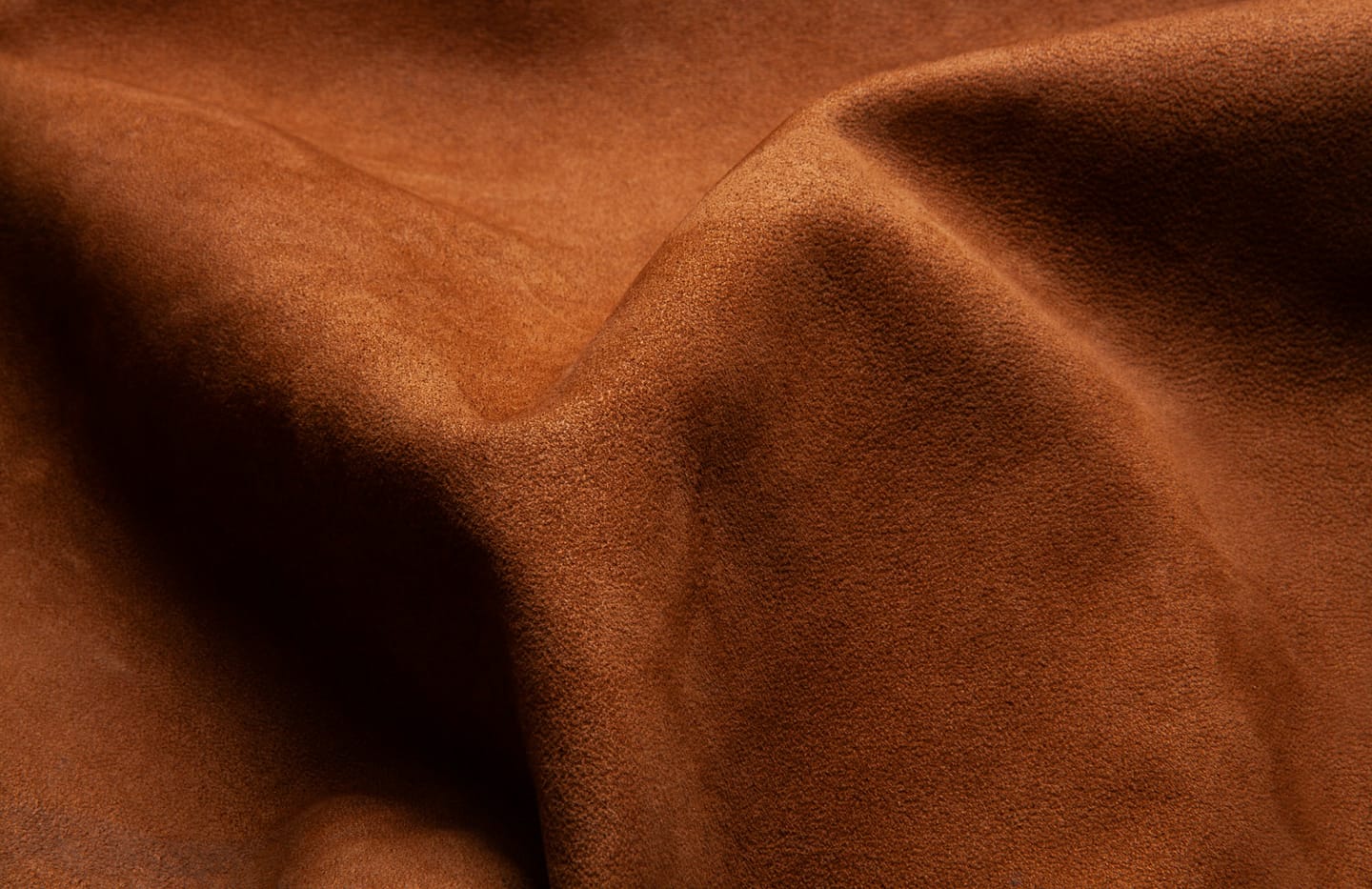
Material detail: a napped split leather surface
Material detail
Material 02

Split leather

The lower layer separated from a hide once the grain layer has been split away.

Character
A more uniform, fibrous surface without the natural outer grain, often with a napped feel unless it has been surface-finished.
Application
Used where a more even appearance or a different surface character is wanted across a range, including linings and backing layers.
Finishing
Finishing behaviour differs from full-grain leather and is confirmed against the specific material selected for a project.
Variation
Surface, absorbency and finish response vary by material. Samples are assessed per project rather than assumed.
Material detail: vegetable-tanned leather
Material detail
Material 03

Vegetable-tanned leather

Leather tanned using tannins rather than chromium salts.

Character
Typically firmer with a characteristic natural tone, and it tends to change in colour with light and use over time.
Application
Often selected where a structured strap and a material that develops with wear are part of the intended product character.
Finishing
Generally responds well to embossing and burnished edge treatments, confirmed against the material selected.
Variation
Tone shifts over time are inherent to the material and are not a fault. We make no environmental claim for this tannage.
Material detail: a soft brown leather surface
Material detail
Material 04

Chrome-tanned leather

Leather tanned using chromium salts, the most widely produced tannage.

Character
Usually softer and more supple with a broad range of available colours and surface finishes.
Application
Used where a softer hand, a particular colour direction or a more consistent finish is required across a range.
Finishing
Branding and edge treatment behaviour depends on the individual finish of the leather and is confirmed per project.
Variation
Colour reproduction on screen will differ from the physical material. Colour is confirmed against a physical reference.
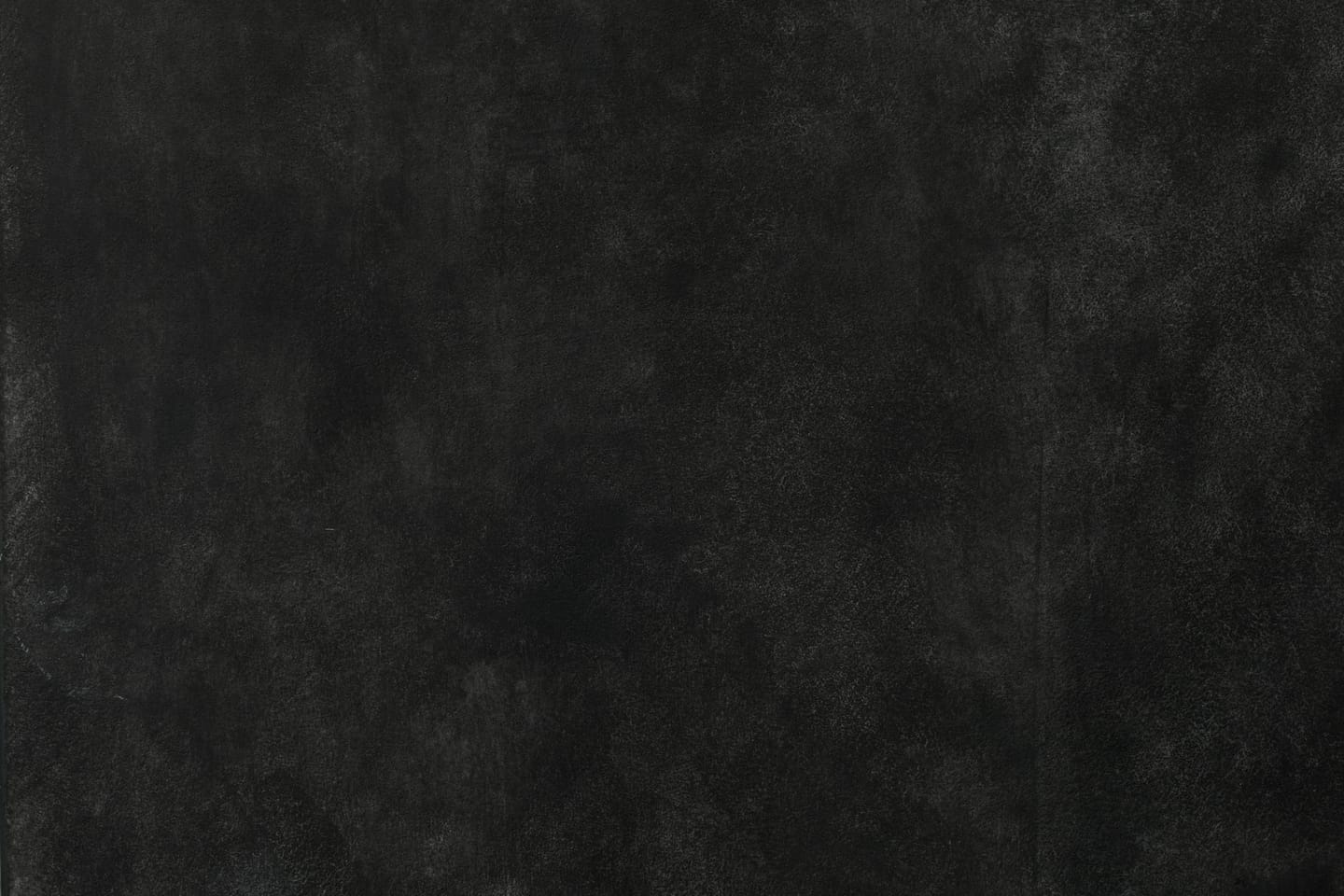
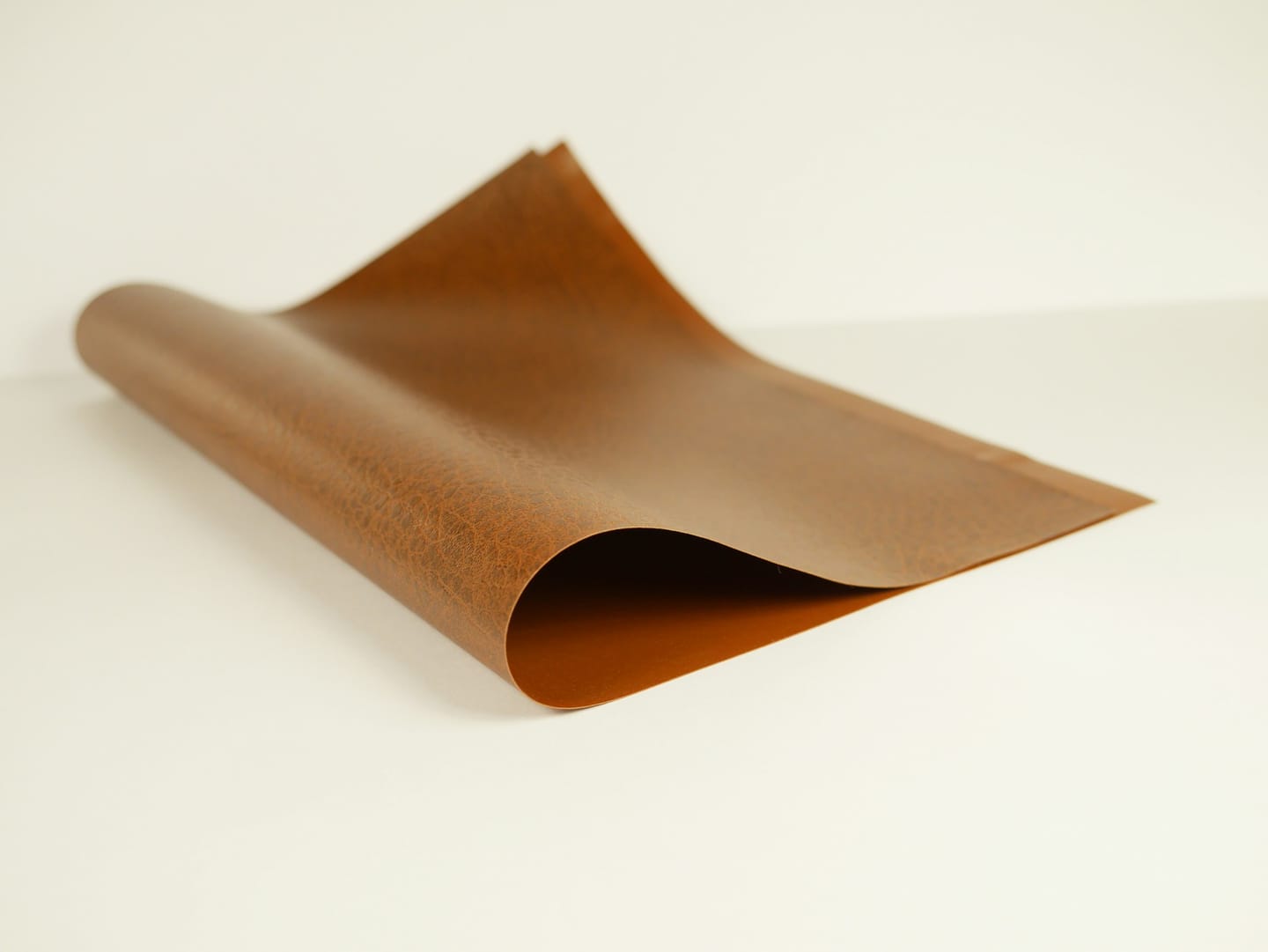
Material detail: a uniform dark leather-type surface
Material detail
Material 05

Bonded leather

A manufactured material produced from bonded leather fibre with a surface layer applied.

Character
Highly uniform in appearance and construction compared with a natural hide.
Application
Selected where consistency of appearance across a run is the priority for the intended product and commercial position.
Finishing
Surface behaviour under branding and edge treatment differs from natural hide and is confirmed by sample.
Variation
Performance and handling characteristics differ from full-grain and split leather. Suitability depends on the intended use.
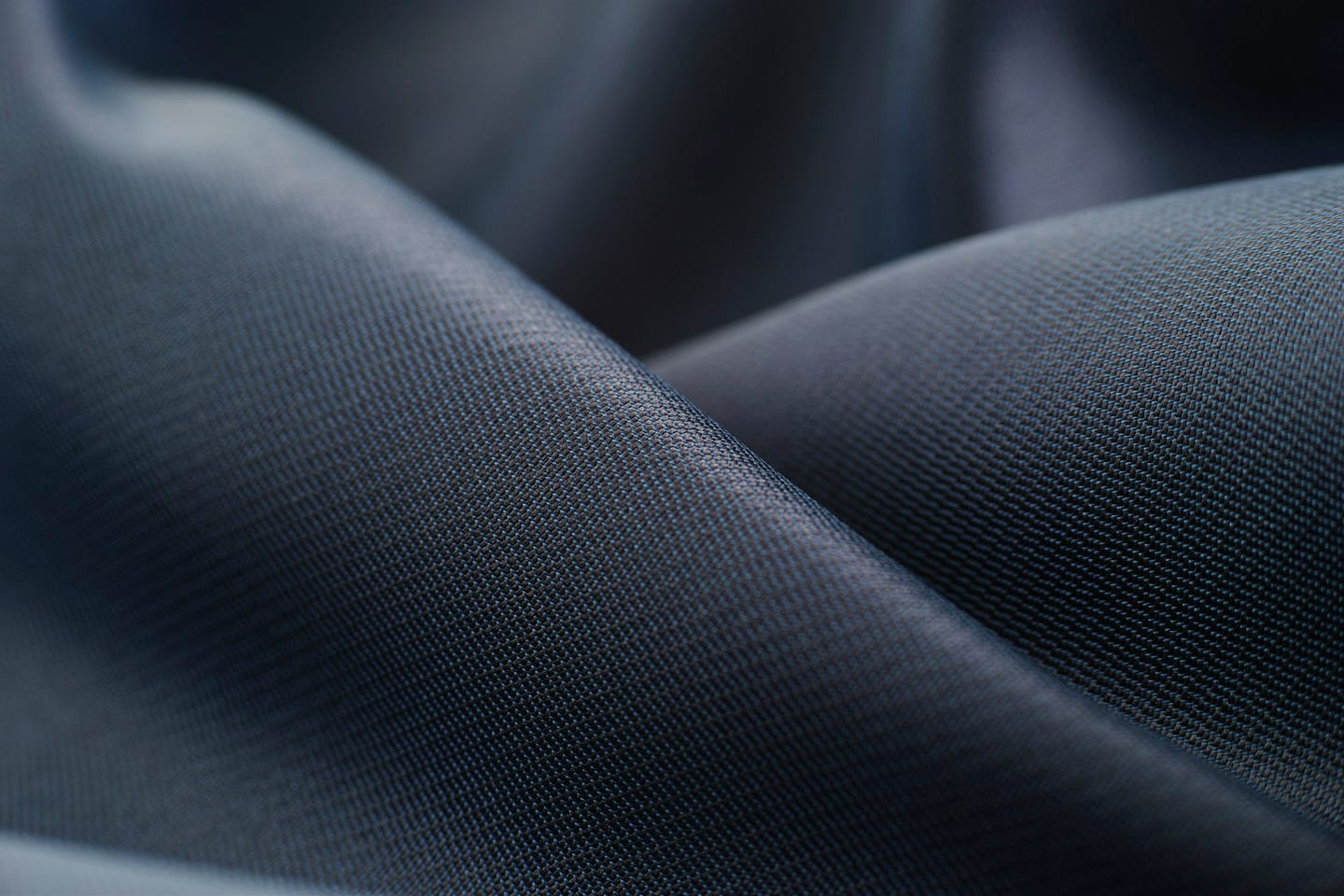
Material detail: elasticated textile
Material detail
Material 06

Webbing

Woven textile strapping supplied as a belt and accessory material.

Character
Consistent width and structure, with colour and weave defined by the webbing selected for the project.
Application
Commonly used for uniform, workwear and casual belt programmes, and where a non-leather strap is specified.
Finishing
Branding options differ from leather. Where branding is required on webbing, the method is agreed in advance.
Variation
Available colours, weaves and widths vary by what can be sourced for the individual project.
Accessories manufacturing context: braces hardware and elastic detail
Accessories manufacturing context
Material 07

Elastic

Elasticated material used in the construction of braces.

Character
Provides the stretch element of a brace, working together with the fittings and the leather or textile ends.
Application
Formal braces, fashion braces and uniform brace requirements, in agreed widths and colours.
Finishing
Fittings, ends and any branding are specified alongside the elastic rather than assumed from a standard build.
Variation
Composition, width, colour and stretch character are confirmed per project against the material actually selected.

03 Colour & consistency

What we will not promise about material.

Leather is a natural material and behaves like one. Colour, grain and surface character vary within a single hide, between hides and between batches. That is inherent to the material rather than a fault in the product, and a manufacturer claiming otherwise is either working with something that is not really leather or is not being straight with you.

Northvale therefore does not guarantee exact grain consistency, identical appearance across repeat production or precise colour matching between runs. Colour is confirmed against a physical reference before production, because screen colour will not match the material in the hand.

Availability of a specific material, colour, weight or finish is reconfirmed for each production rather than assumed from a previous project.

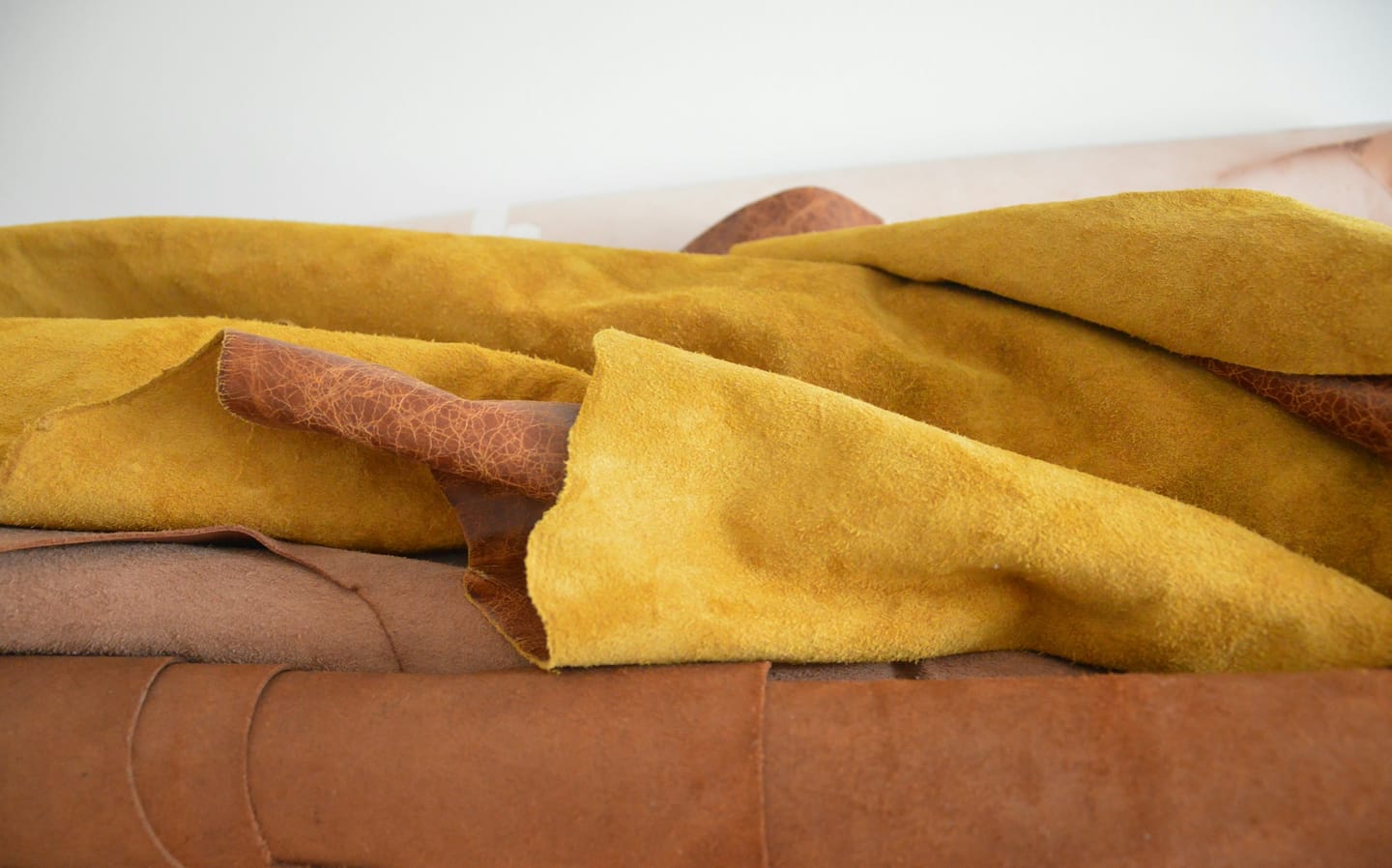
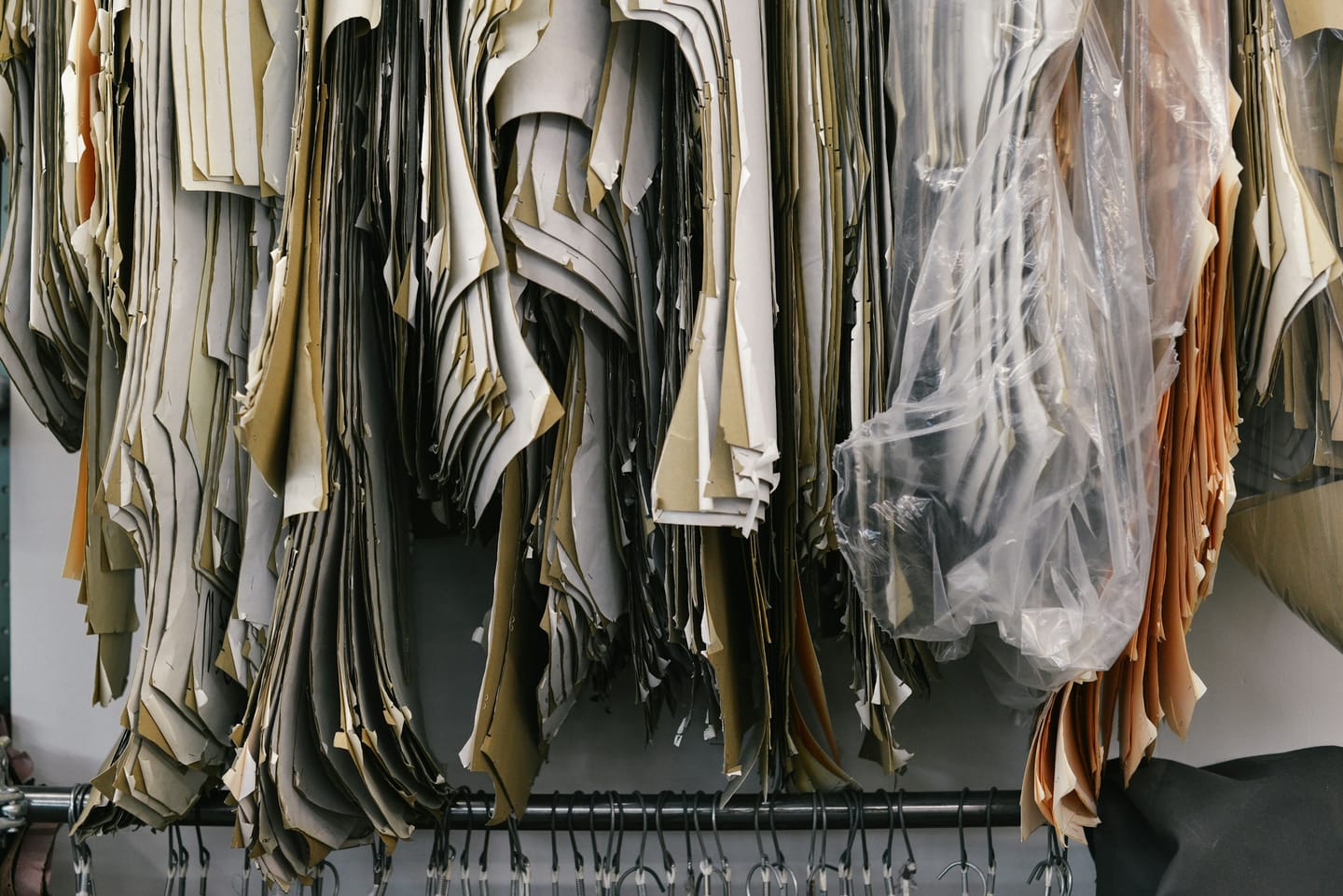
Workshop imagery: leather hides stored in a workshop
Workshop imagery
Material detail: rolled leather stored on a shelf
Material detail
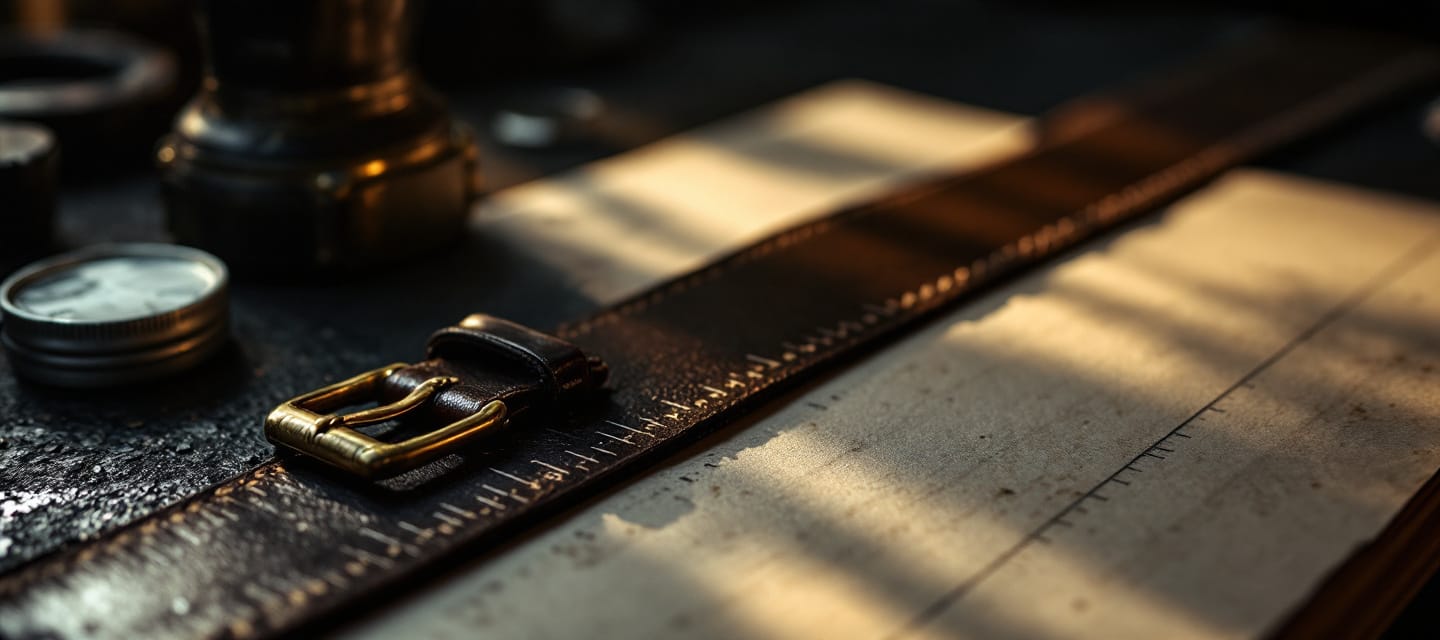
Material detail: finished leather goods photographed in natural light
Material detail

Manufacturing enquiry

Which material fits the product you are making?

Describe the accessory and how it will be used, and we will work through the material options with you.

  • Belts
  • Braces
  • Ties
  • Small leather goods
  • Private label
  • White label
  • Short runs