Finishes & branding

Finish defines
character.

The detail is where the product becomes yours.

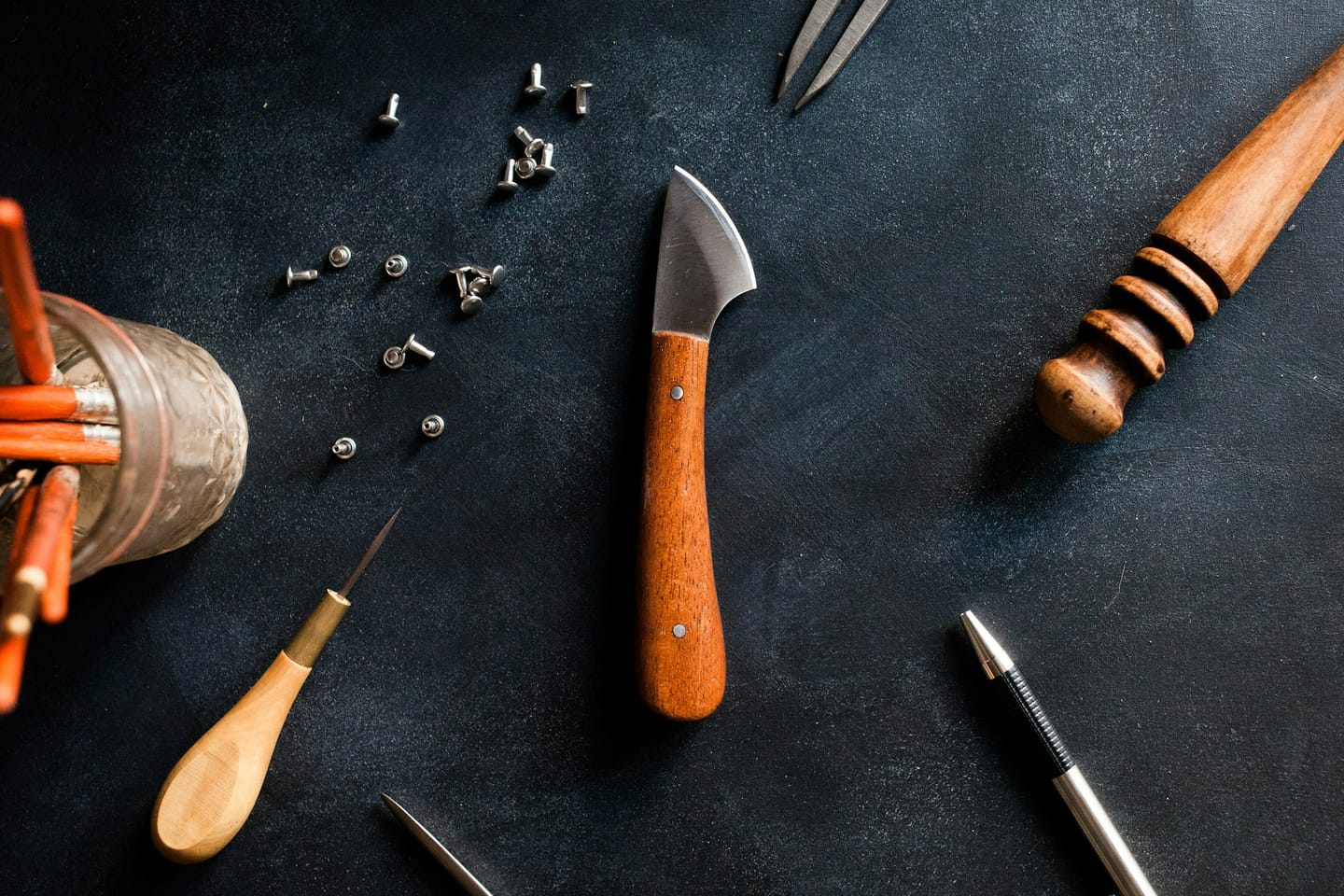
Embossing, hot-foil branding, hand-burnished edges, edge finishing, punching, riveting, branding position and finish approval — the operations that turn a cut strip of material into a finished accessory.

Branding
Embossing and hot foil
Edge
Hand-burnished and other edge finishing
Construction
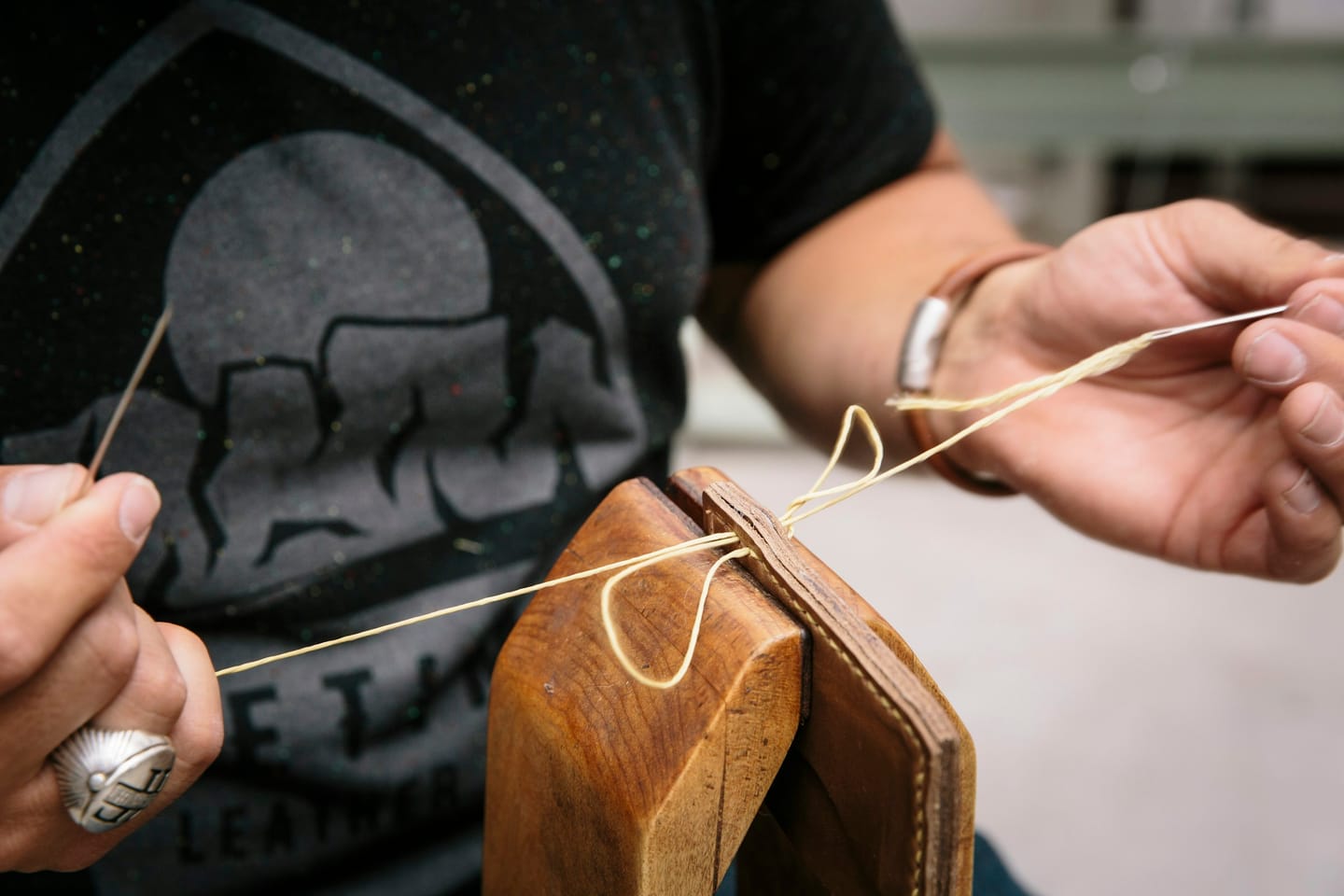
Punching, riveting, hardware attachment
Artwork
Supplied and approved by the customer

01 Before & after

Raw edge, finished edge. Unmarked panel, pressed mark.

Two comparisons that show what finishing actually changes. The mark shown is a neutral Northvale sample — no customer logo, real or invented, appears anywhere on this website.

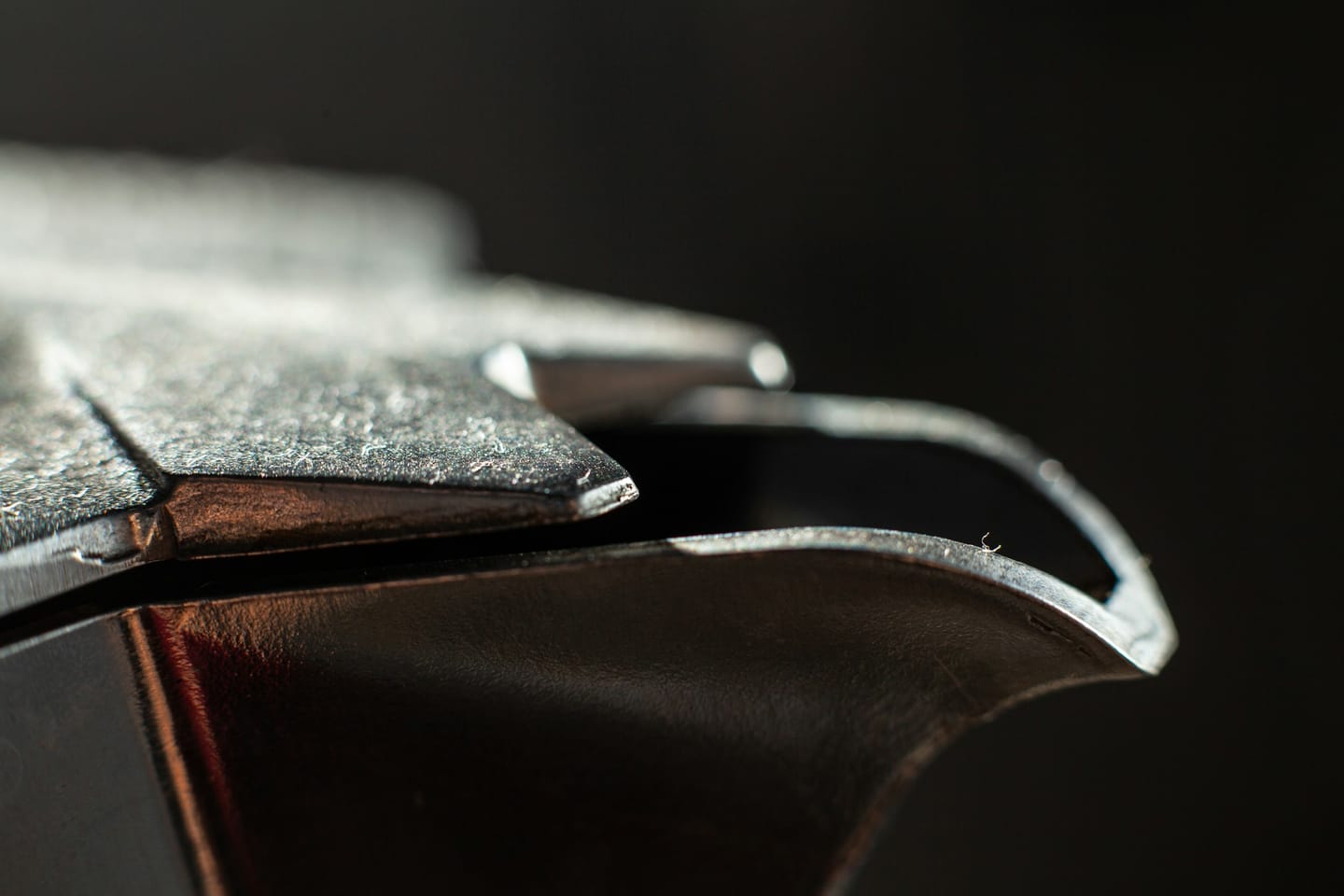
Edge 01 / Before → after Raw edge, then finished edge

Top Cut edge as it leaves the strapping stage.

Below The same edge once prepared and finished.

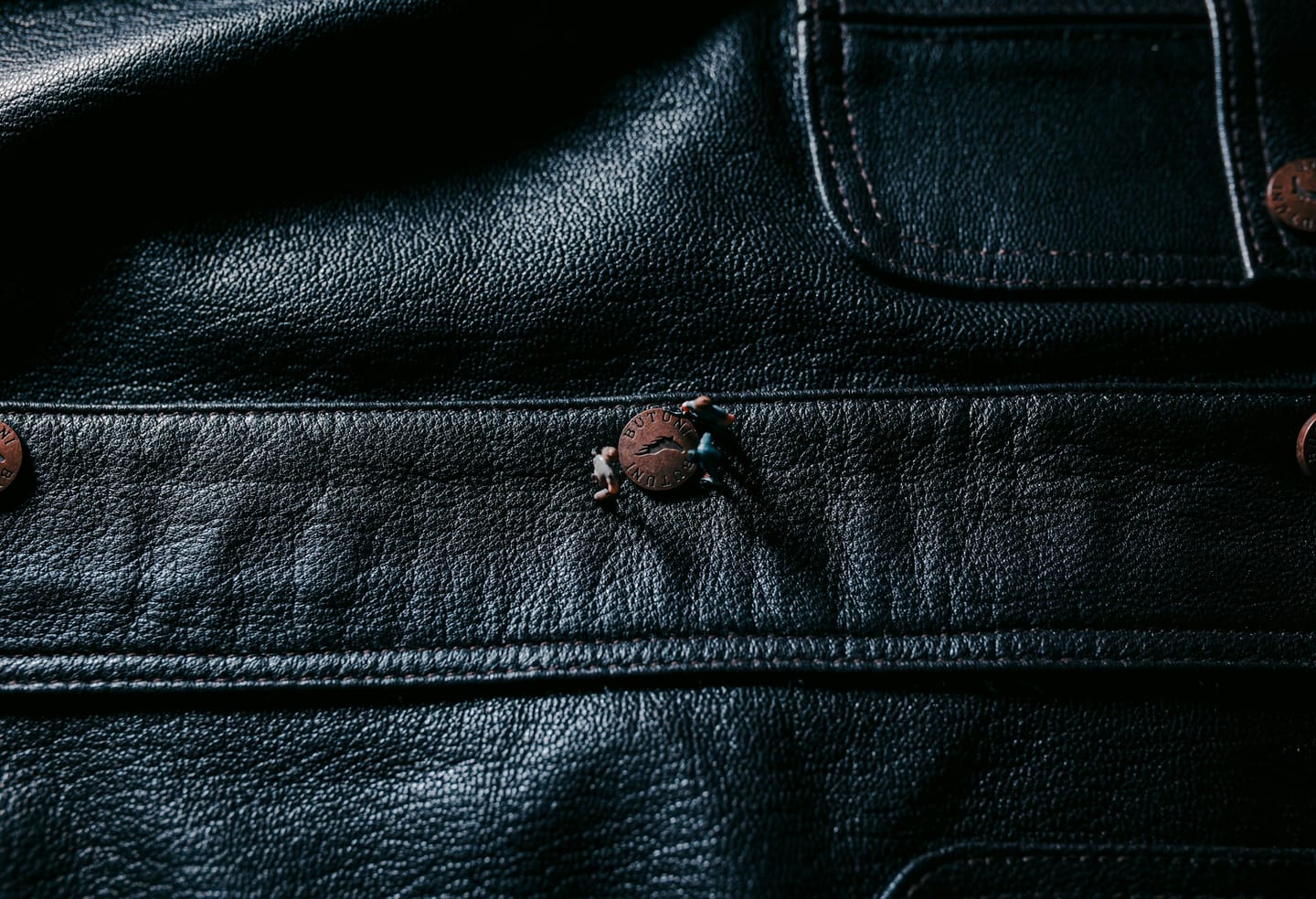
Brand 01 / Unmarked → marked Unbranded area, then a pressed mark

Sample Neutral Northvale sample mark, shown to illustrate the method.

Note Achievable detail depends on the material and the branding method agreed.

02 Operations

Eight finishing operations, at close range.

Each one is a decision made against the material, not a standard applied to everything.

Material detail: an embossing impression in leather
Material detail
01

Embossing

A mark pressed into the material itself.

Embossing presses a mark into the leather so it becomes part of the surface rather than something applied on top. How crisply it holds depends on the material: a firm vegetable-tanned leather and a soft chrome-tanned leather take an impression very differently, so the result is confirmed against the material actually selected.
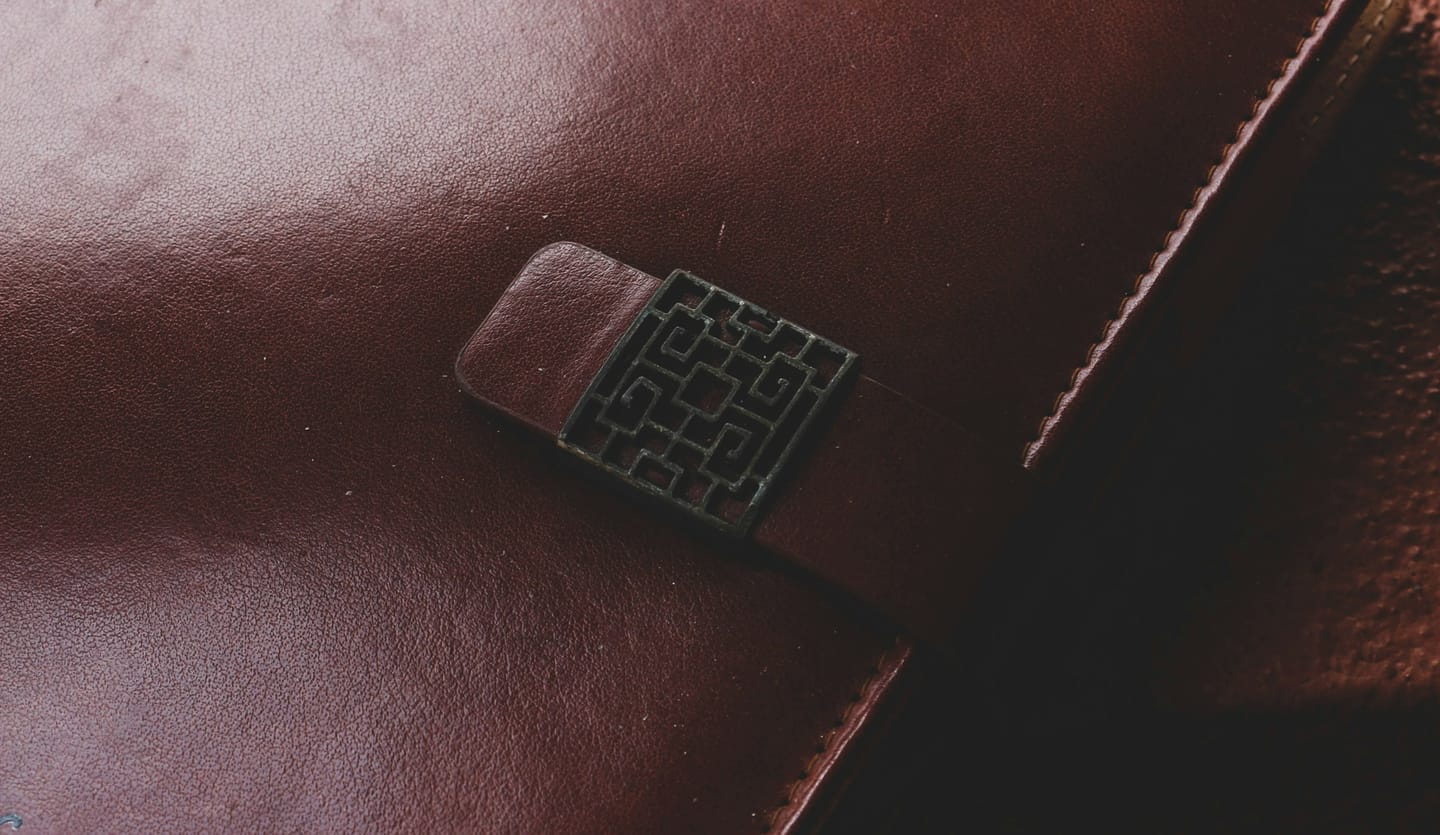
Workshop imagery: a stamping tool used on leather
Workshop imagery
02

Hot foil

A metallic mark applied under heat.

Hot-foil branding applies a metallic finish to the mark, giving a brighter, more deliberate result than a blind impression. Size, position and finish are agreed in advance, and legibility at small sizes is checked against the material rather than assumed from the artwork.

Material detail: a burnished leather edge
Material detail
03

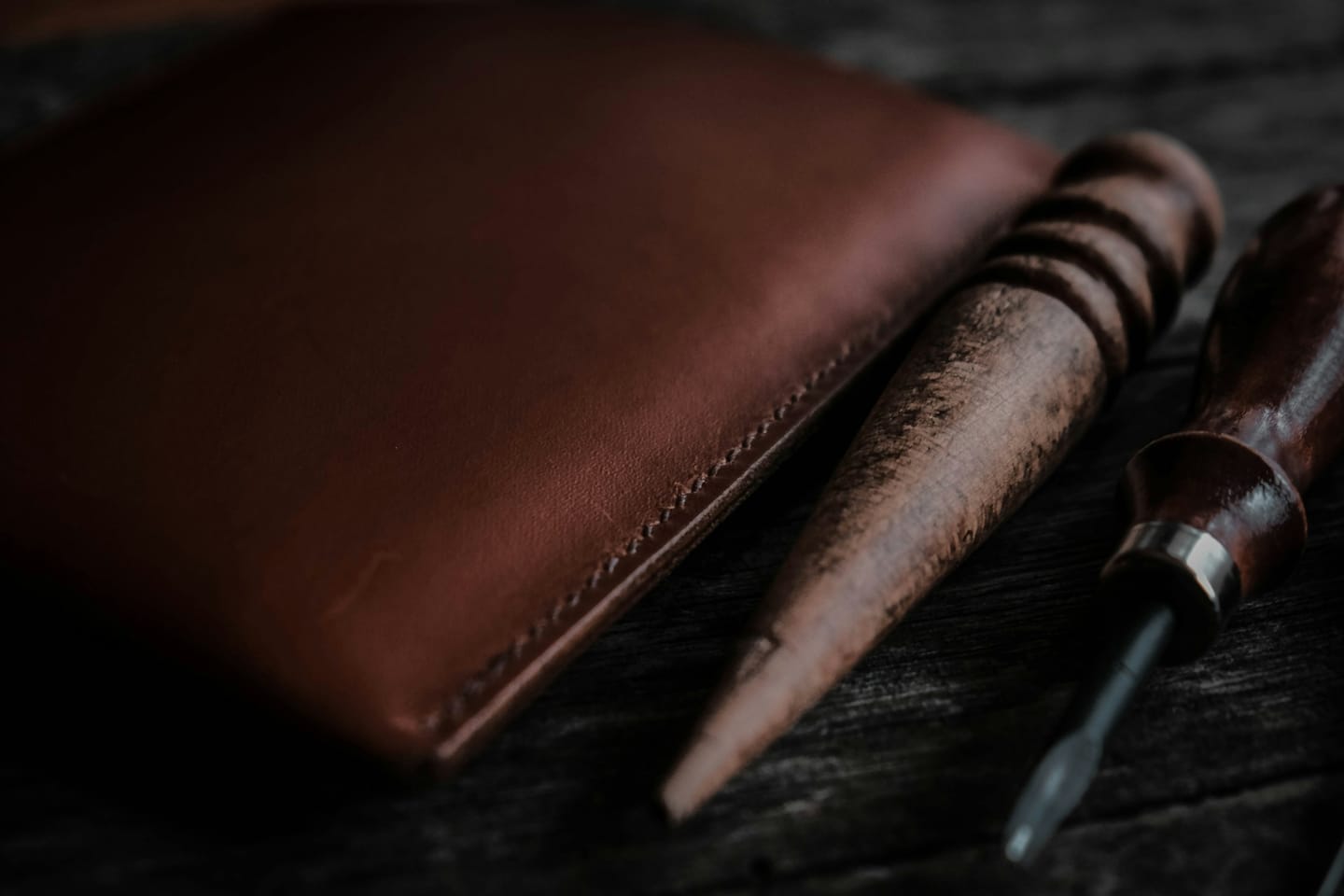
Hand-burnished edges

The cut edge worked until it is closed and smooth.

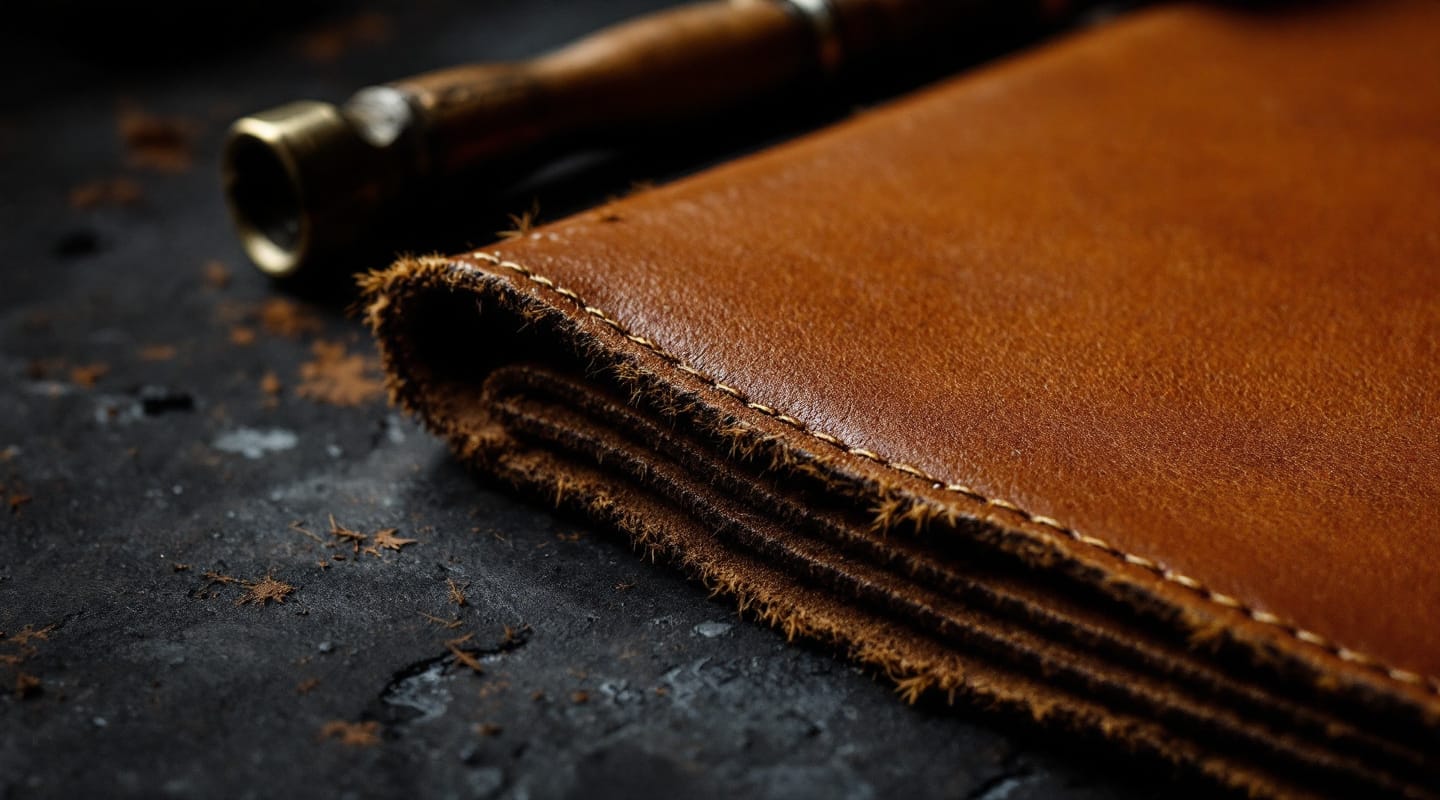
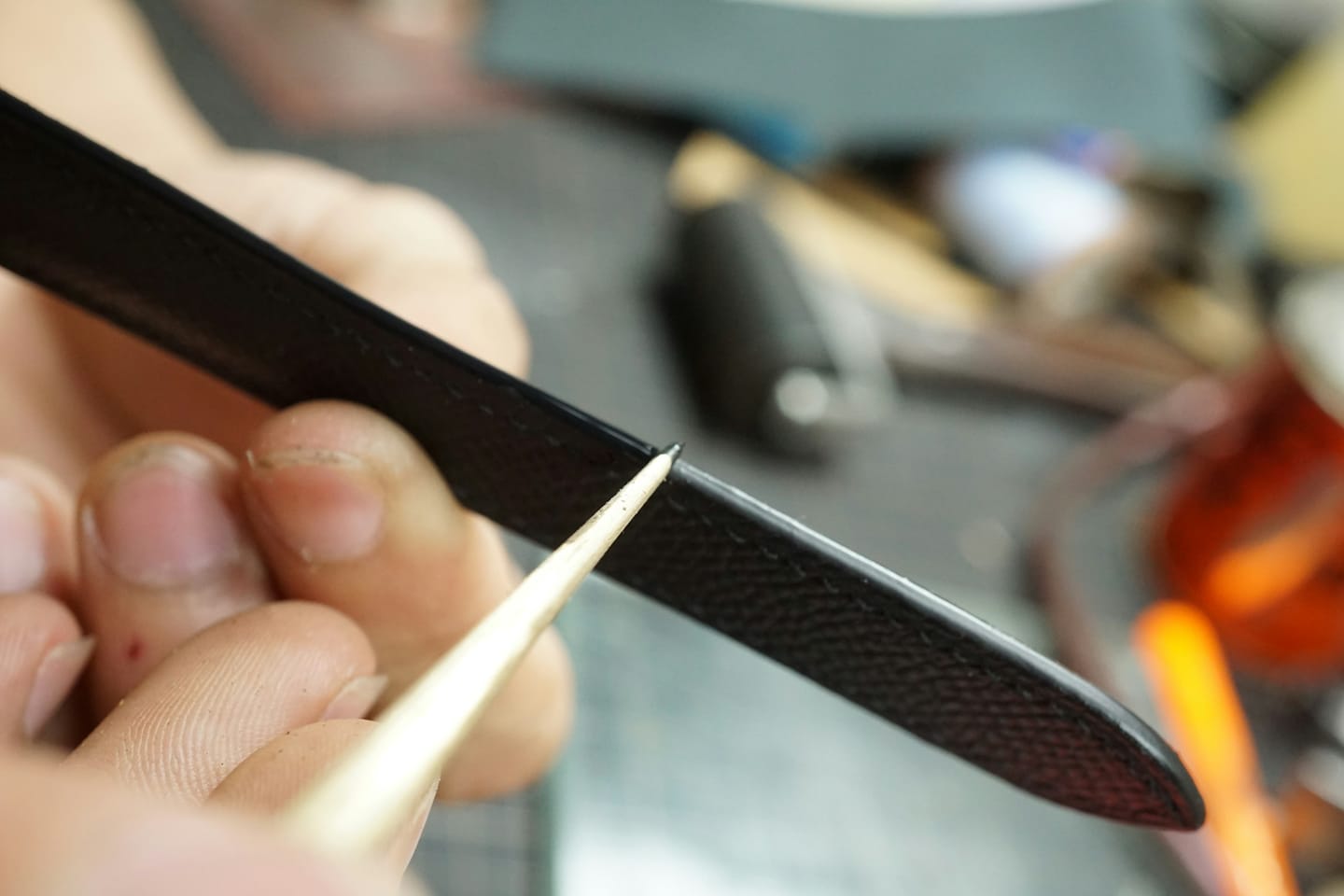
Burnishing works the cut edge until the fibres close and the edge becomes smooth and continuous. It is one of the clearest signals of how carefully a leather product has been made, because it is felt every time the product is handled.

Leather manufacturing context: a finishing detail photographed close up
Leather manufacturing context
04

Edge finishing

Preparation and treatment along the full length.

Beyond burnishing, edge finishing covers the preparation and treatment of the edge along its length so that it is consistent from buckle end to tip. The approach is selected against the material and the intended character of the product.

Workshop imagery: a punch used on leather
Workshop imagery
05

Punching

Holes set to the agreed position and count.

Punching sets the hole position, spacing and count according to the size range agreed for the project, along with the preparation of the buckle end. Get this wrong and the product simply does not fit the person it was made for.

Hardware detail: a rivet set into leather
Hardware detail
06

Riveting

The fastening that secures the return.

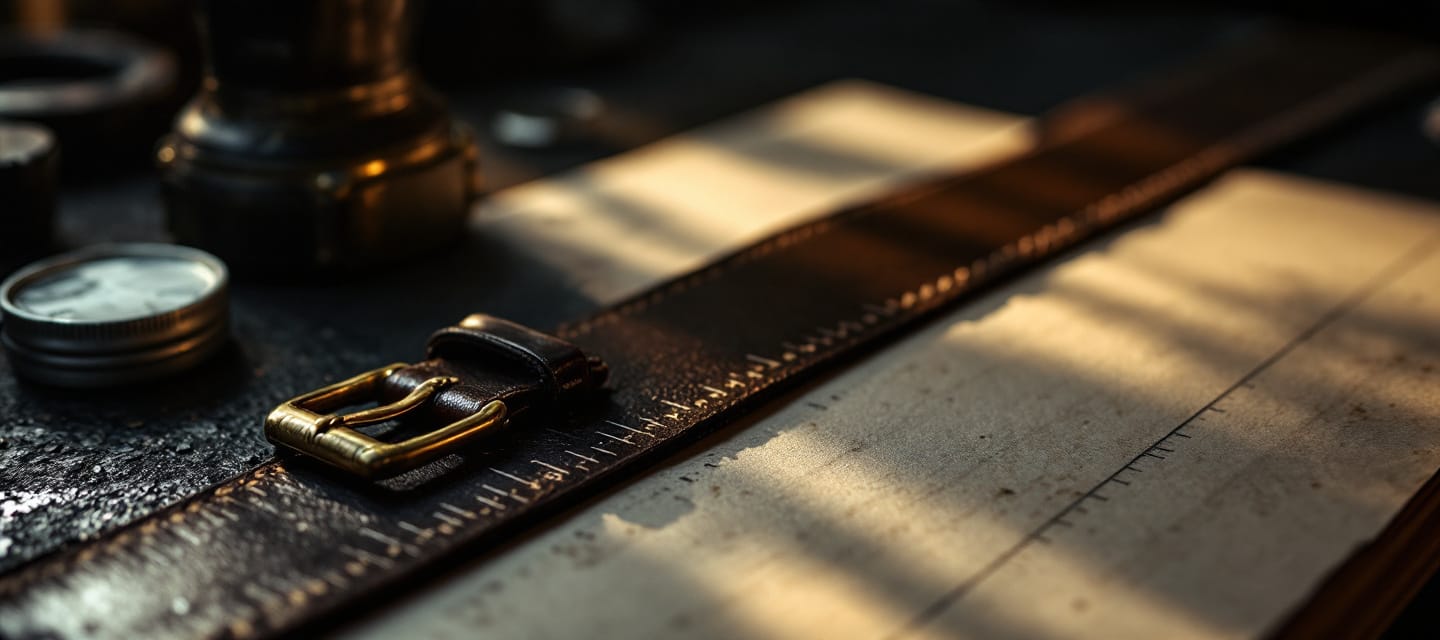
Riveting secures the return of the strap around the buckle bar. It is a mechanical join that has to sit flush, align correctly and match the hardware direction chosen for the rest of the product.

Material detail: a branding stamp pressed into leather
Material detail
07

Branding position

Where the mark sits is a design decision.

A mark on the reverse near the buckle reads differently from one near the tip or on the keeper. Position, orientation and size are agreed as part of the specification, because moving a mark after production is not an option.

Material detail: a leather edge being finished
Material detail
08

Finish approval

Agreed before the run, checked after it.

What "finished" means for a project is established before production and checked against afterwards. Where a sample or prototype forms part of that process, it is arranged by agreement rather than offered as a standard inclusion.

Manufacturing enquiry

How should your product be finished?

Tell us the branding method, the position, the edge treatment and the material, and we will tell you what is realistic.

  • Belts
  • Braces
  • Ties
  • Small leather goods
  • Private label
  • White label
  • Short runs