
Hardware

Hardware changes
the whole product.

The same strap in brass, nickel or matte black is three different products.

Hardware direction and finish are selected per project against the material, the colour and what the accessory is for. Northvale publishes no supplier, plating specification, metal-content claim, corrosion performance or durability guarantee — only how each direction reads and what it tends to suit.

Directions
Brass, nickel, matte black
Finishes
Polished, antique, matte
Fitted
Buckles, keepers, rivets, brace fittings
Availability
Confirmed per project

01 The bench

Three directions, laid out.

Each option is named in words as well as shown, because hardware choice should never be carried by a colour chip alone.

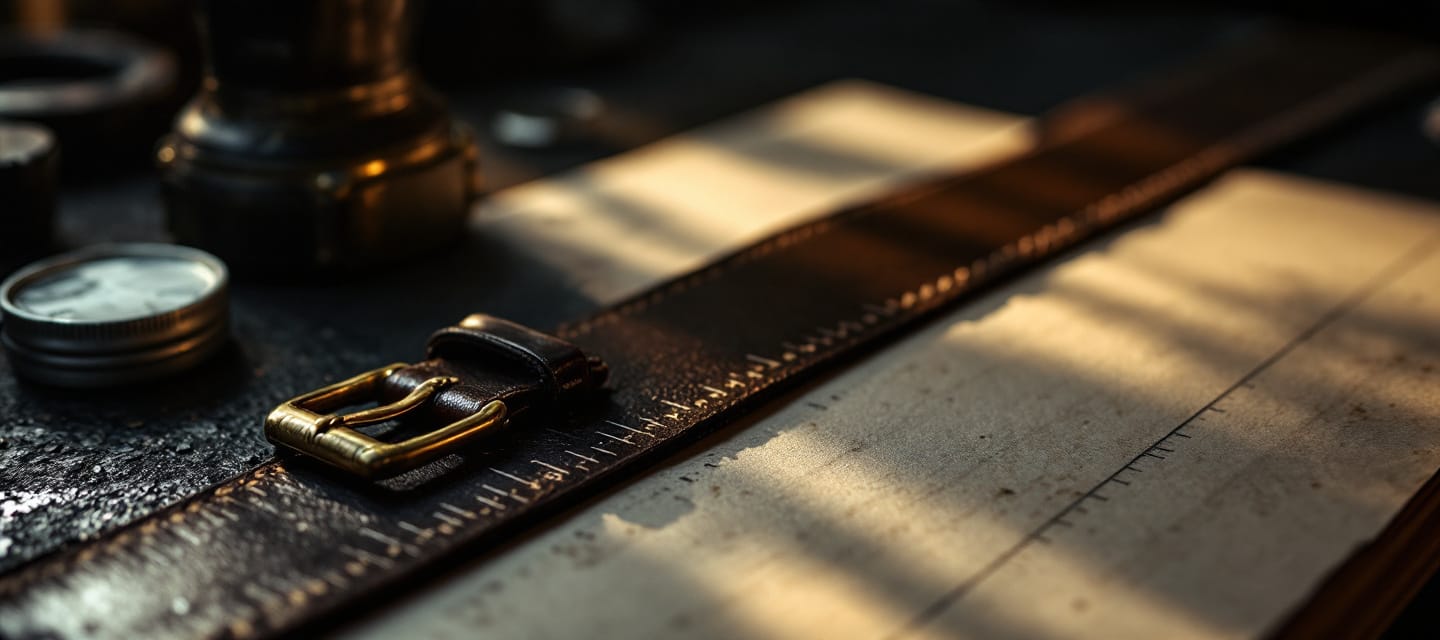
Leather manufacturing context: belt making at a workbench
Leather manufacturing context
Hardware 01

Brass

A warm, golden-toned hardware direction that sits naturally alongside brown and tan leather.

  • Polished
  • Antique
Reads as
Traditional and warm. Tends to reinforce a heritage or classic reading of a product.
Often paired with
Cognac, chestnut, tan and dark espresso leather; natural webbing.
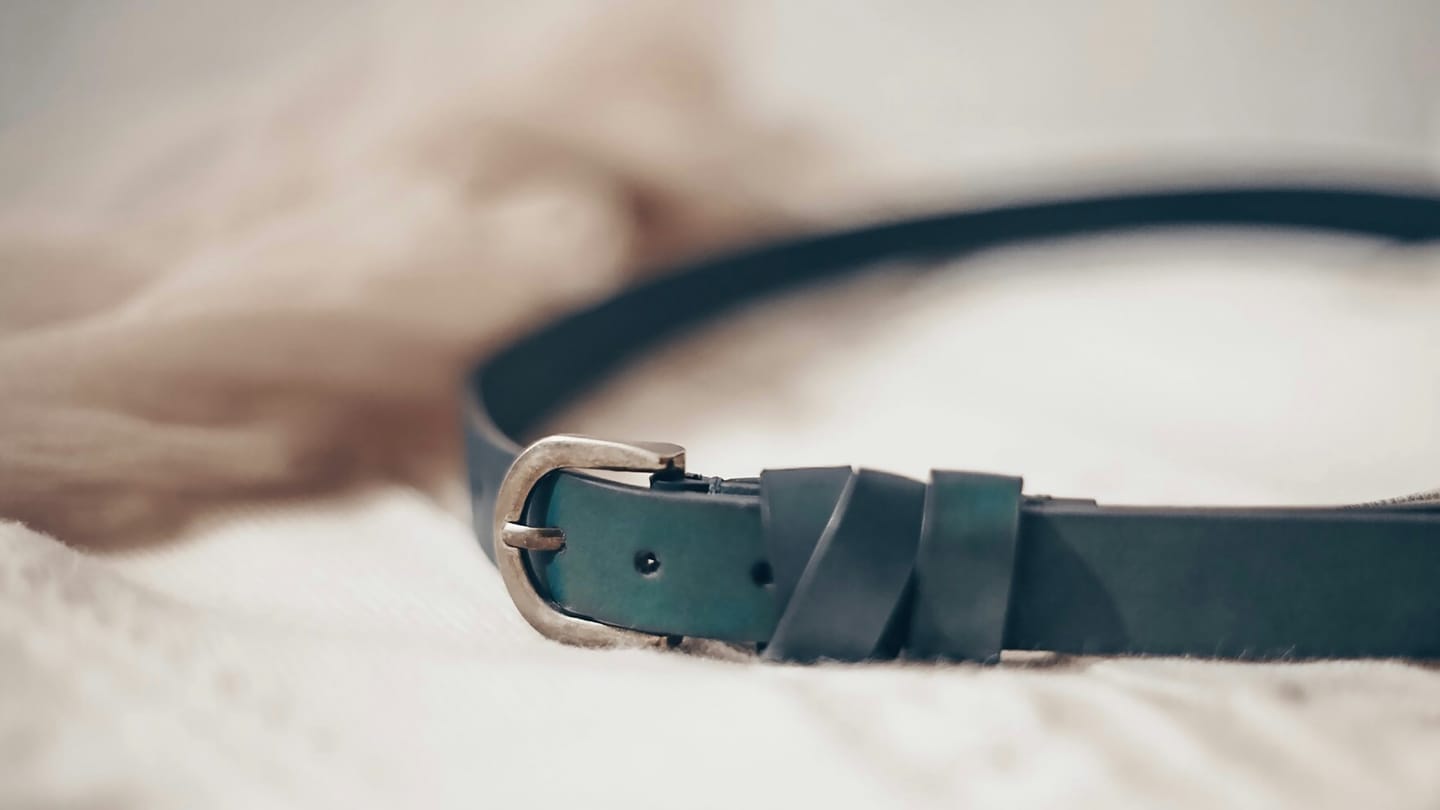
Hardware detail: a belt buckle photographed close up
Hardware detail
Hardware 02

Nickel

A cooler, silver-toned hardware direction with a cleaner, more contemporary appearance.

  • Polished
  • Antique
Reads as
Neutral and modern. Reads well against black, grey and cooler leather colours.
Often paired with
Black and grey leather, cool-toned browns, uniform and workwear programmes.
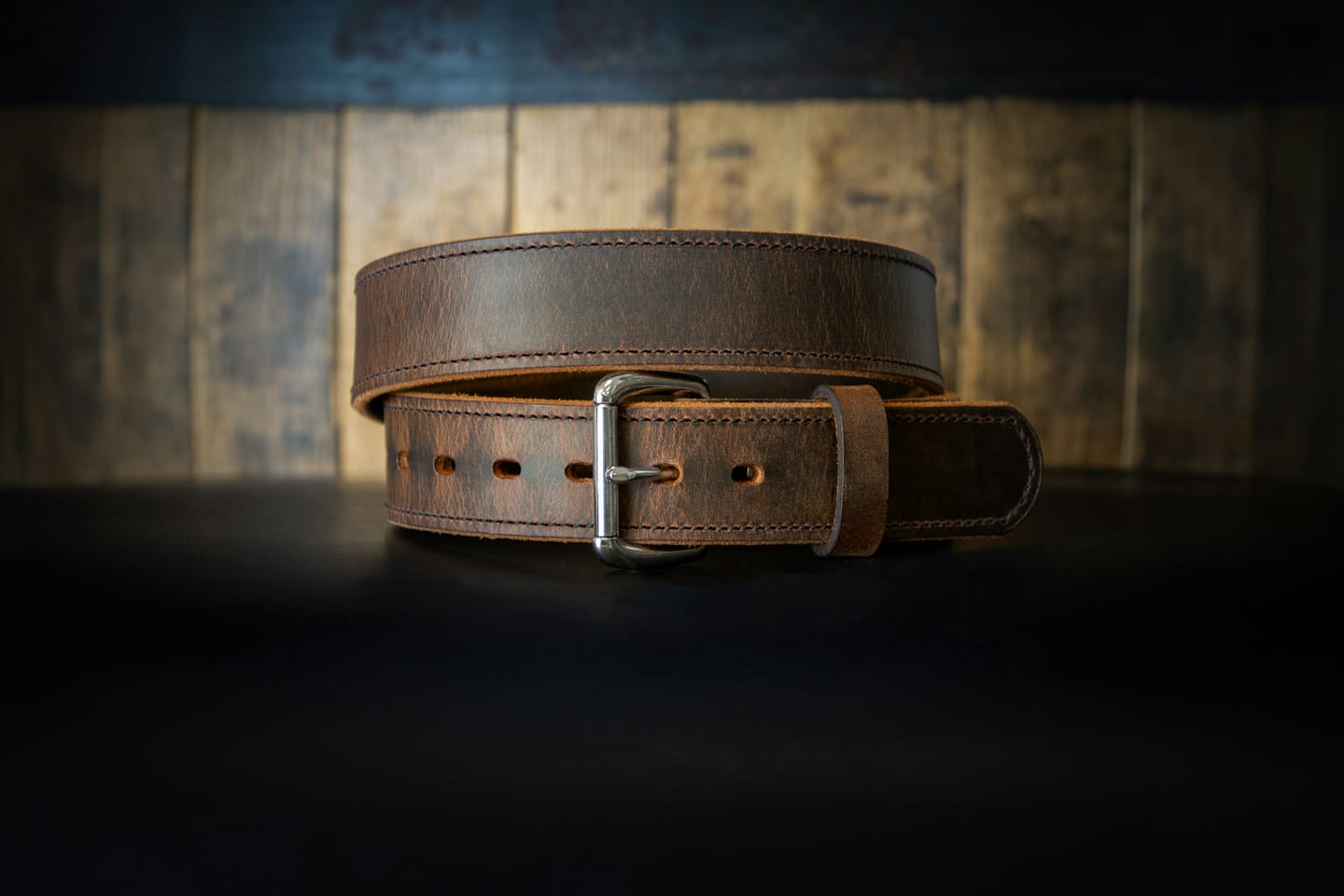
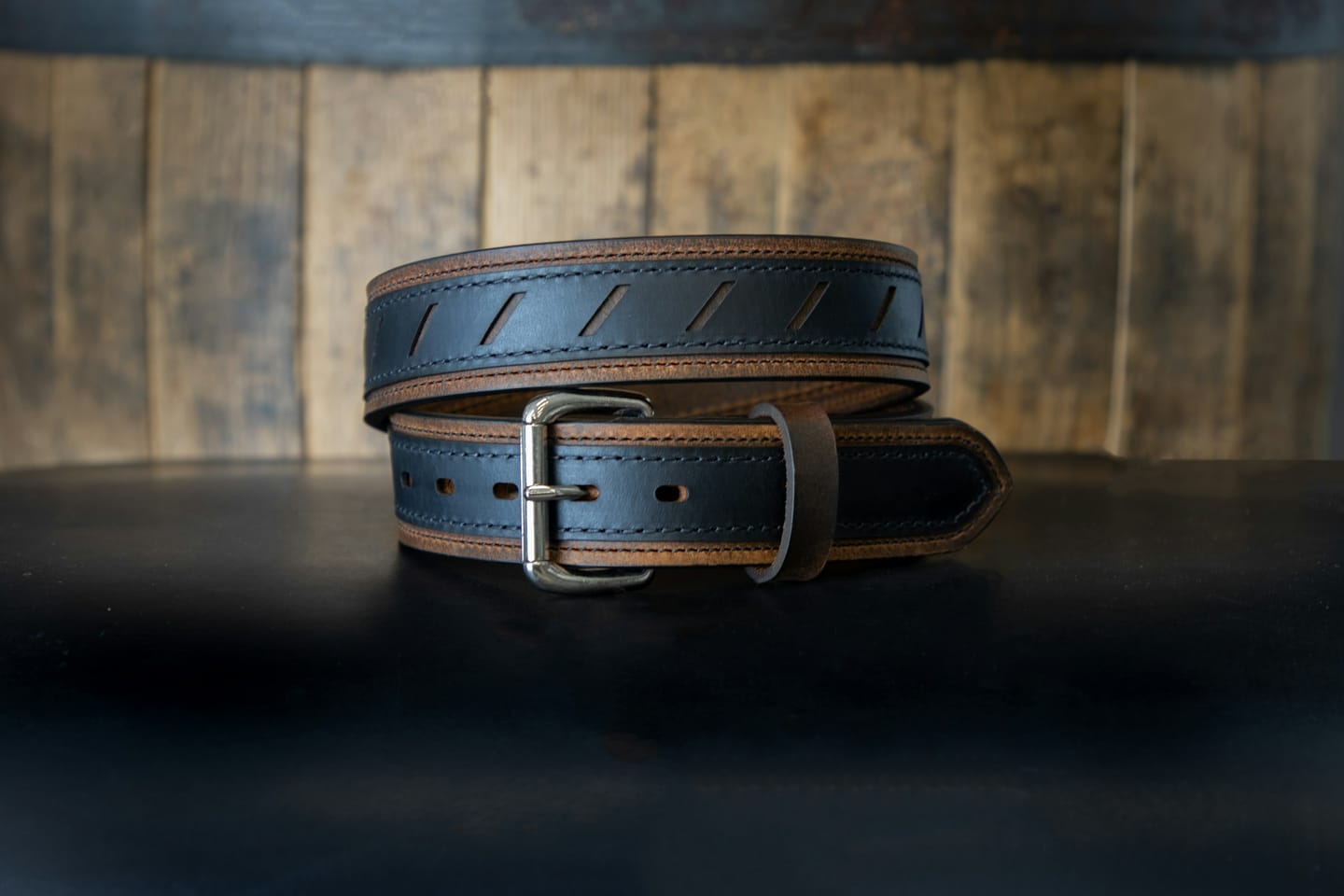
Material detail: a webbing belt
Material detail
Hardware 03

Matte black

A low-reflectance dark hardware direction that recedes rather than drawing the eye.

  • Matte
Reads as
Quiet and technical. Suits products where the hardware should not be the focal point.
Often paired with
Black and dark brown leather, webbing, workwear and uniform requirements.

02 Specification matrix

Which finishes apply to which direction.

A quick reference for specifying hardware. Availability of any particular component or finish is confirmed for each project.

Hardware directions and the finishes that apply to each, with typical material pairings.
Direction PolishedAntiqueMatte Often paired with
Brass Applies Applies Not applicable Cognac, chestnut, tan and dark espresso leather; natural webbing.
Nickel Applies Applies Not applicable Black and grey leather, cool-toned browns, uniform and workwear programmes.
Matte black Not applicable Not applicable Applies Black and dark brown leather, webbing, workwear and uniform requirements.
01 Polished
A bright, reflective surface with a clean, formal appearance.
02 Antique
A darkened, aged appearance in which recesses read deeper than raised surfaces.
03 Matte
A low-reflectance surface. Applies to the matte black direction.

03 Fitting

Hardware is construction, not decoration.

Buckles, keepers, rivets and brace fittings are fitted as part of the mechanical construction of the product. Riveting secures the return of the strap, the keeper has to sit correctly against the strap width, and the buckle bar has to align with how the material was skived.

That is why hardware is specified alongside material and width rather than chosen at the end. A buckle picked after the strap has already been cut will usually compromise one or the other.

Hardware appearance can differ slightly between production batches, and availability of a particular component or finish may vary. Where an equivalent is needed, it is discussed and agreed with you rather than substituted quietly.

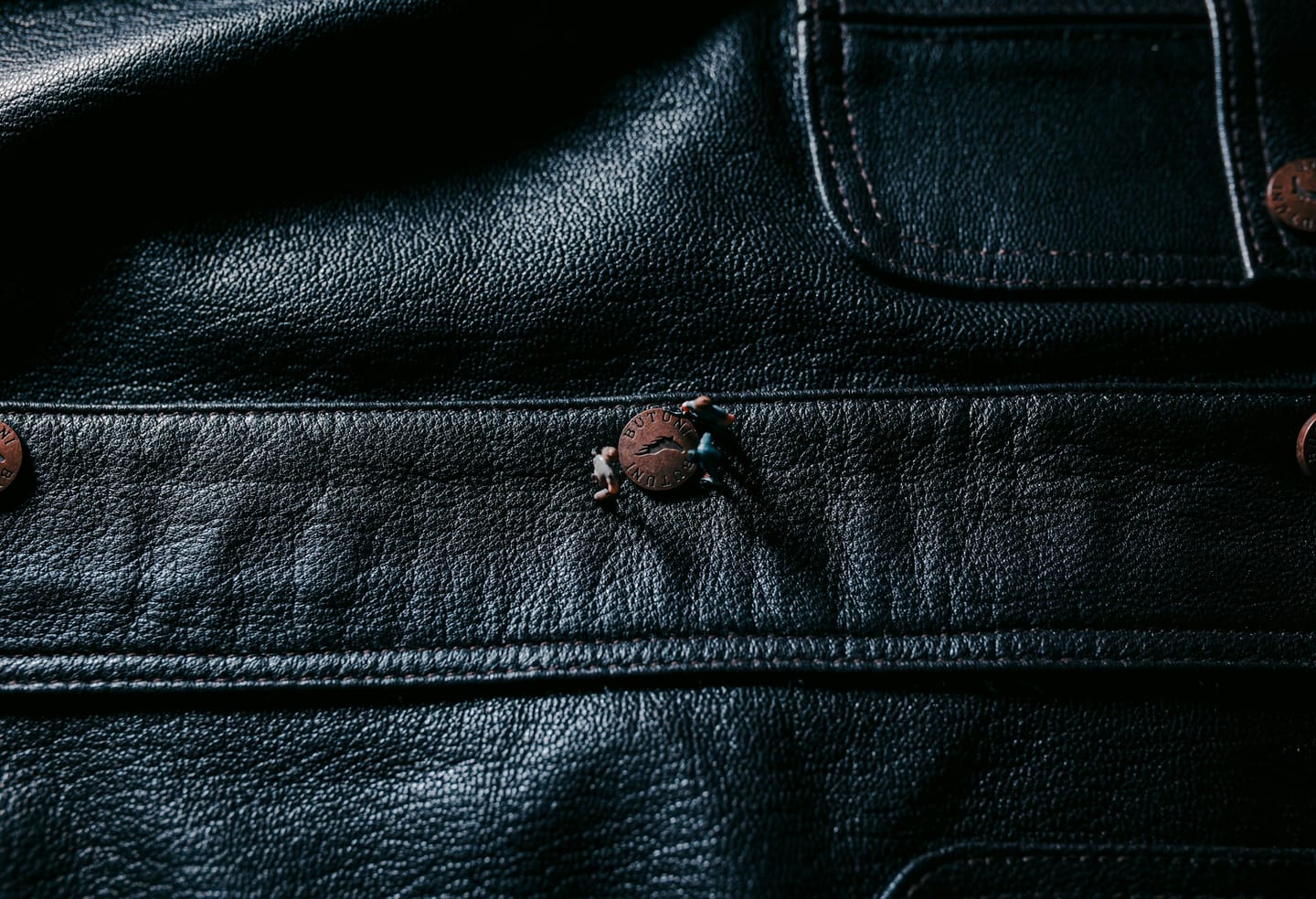
Hardware detail: a rivet set into leather
Hardware detail
Workshop imagery: a leather craftsman's workbench
Hardware detail

Manufacturing enquiry

Which hardware reading do you want?

Tell us the material and colour direction and what the product is for, and we will work through the hardware with you.

  • Belts
  • Braces
  • Ties
  • Small leather goods
  • Private label
  • White label
  • Short runs