Manufacturing process

From your specification
to a finished
UK-made accessory.

Eleven stages, from writing the requirement down to preparing the finished product for supply.

Each stage exists because skipping it shows up in the product. None of them involve claims about machinery, capacity, technology or timing — only what is actually done to the material.

Stages
Specify, select, prepare, cut, skive, edge
Then
Punch, assemble, brand, review, supply
Reference
The agreed written specification
Timing
Confirmed per order, not published
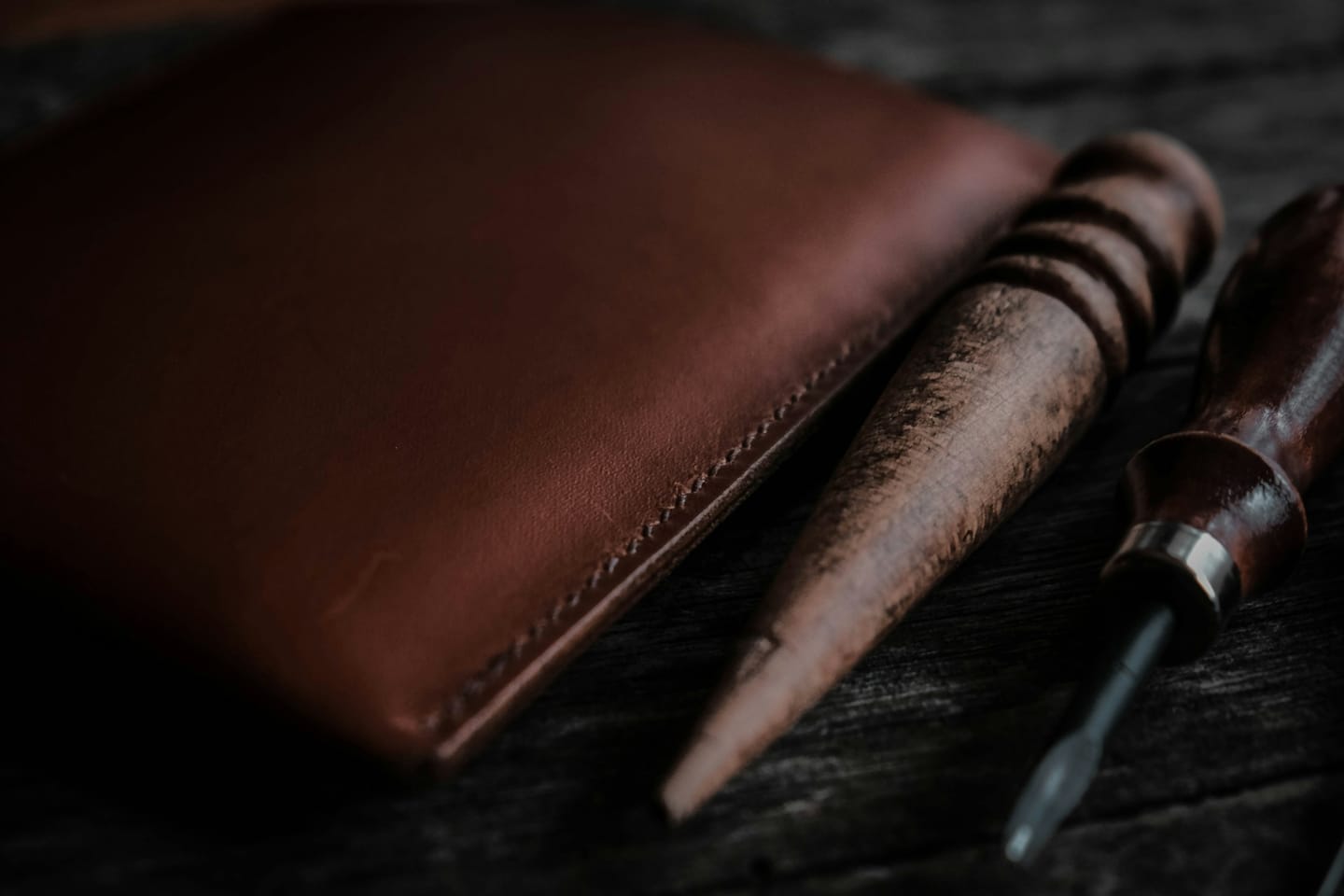
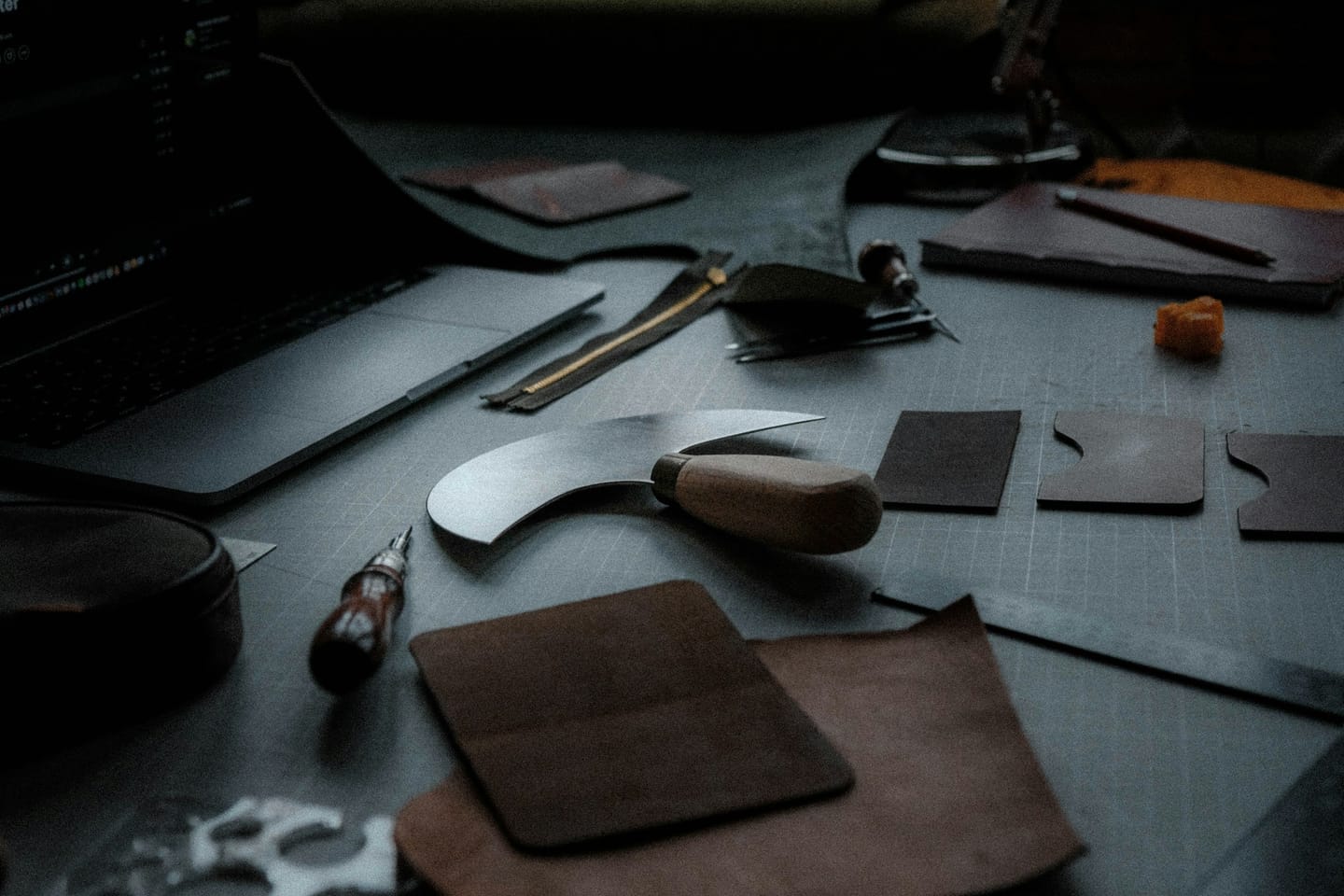
Workshop imagery: a leather workbench surface
Workshop imagery
01 Specification

Specify

The requirement is written down before anything is cut.

Product, material direction, colour, width, size range, hardware, branding, edge treatment, quantity and timing are established together, so that everything that follows is measured against an agreed specification rather than an assumption.

Stage 01 of 11 — 9% of sequence
Workshop imagery: leather hides stored in a workshop
Workshop imagery
02 Material 01

Select

Material is chosen against the product, not the other way round.

Full-grain, split, vegetable-tanned, chrome-tanned or bonded leather, webbing or elastic is selected for the intended product. Availability of a particular material, colour or finish is confirmed at this point rather than promised in advance.

Stage 02 of 11 — 18% of sequence

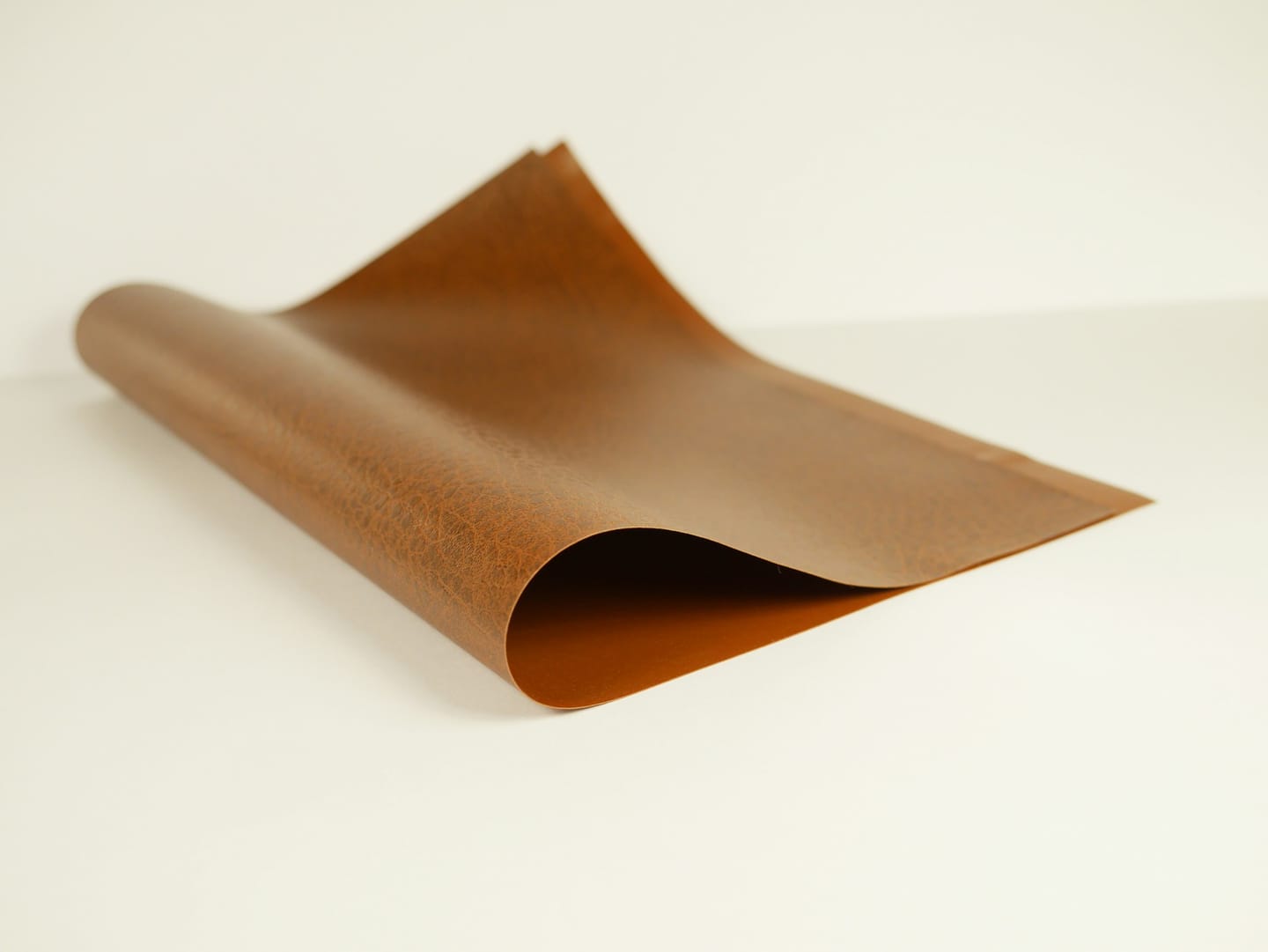
Material detail: rolled leather stored on a shelf
Material detail
03 Hide

Prepare

The hide is read before it is worked.

Hide is assessed and laid out for the run. Natural grain, marking and tone are part of the material, and how they fall across a product is considered before cutting begins.

Stage 03 of 11 — 27% of sequence

Material detail: leather being cut to width
Material detail
04 Cut / Strap

Cut

Hide is cut and strapped to width.

Material is cut and strapped to the width set by the specification. This is the stage that fixes the proportion of the finished product, so it is controlled against the agreed pattern rather than judged by eye.

Stage 04 of 11 — 36% of sequence

Workshop imagery: a leather craftsman's workbench
Workshop imagery
05 Thickness

Skive

Material is reduced where it needs to fold or sit flat.

Skiving reduces material in the areas that have to return around a buckle bar, sit under a keeper or join cleanly. It is what stops a belt becoming bulky at the fastening.

Stage 05 of 11 — 45% of sequence

Material detail: a leather edge being finished
Material detail
06 Edge finish

Edge

The cut edge becomes a finished edge.

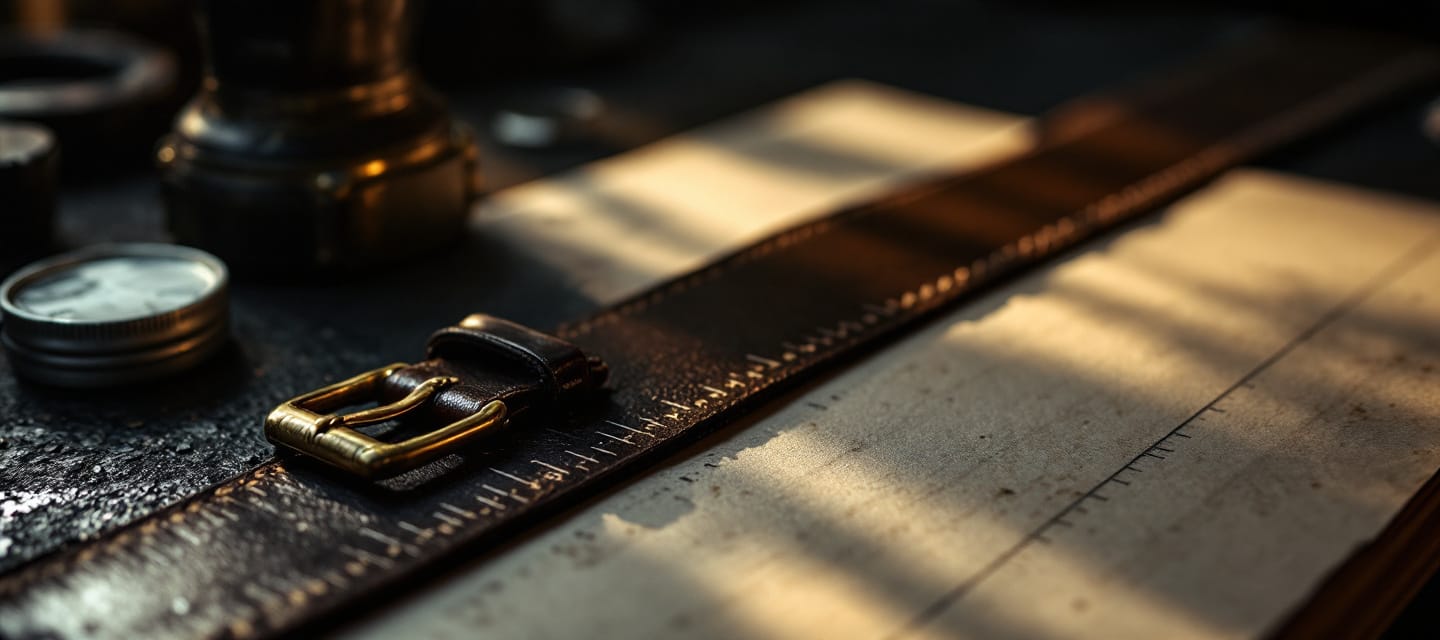
Edges are prepared and finished — hand-burnished or otherwise treated according to the material and the specification agreed. The edge is one of the first things a customer notices in the hand.

Stage 06 of 11 — 55% of sequence

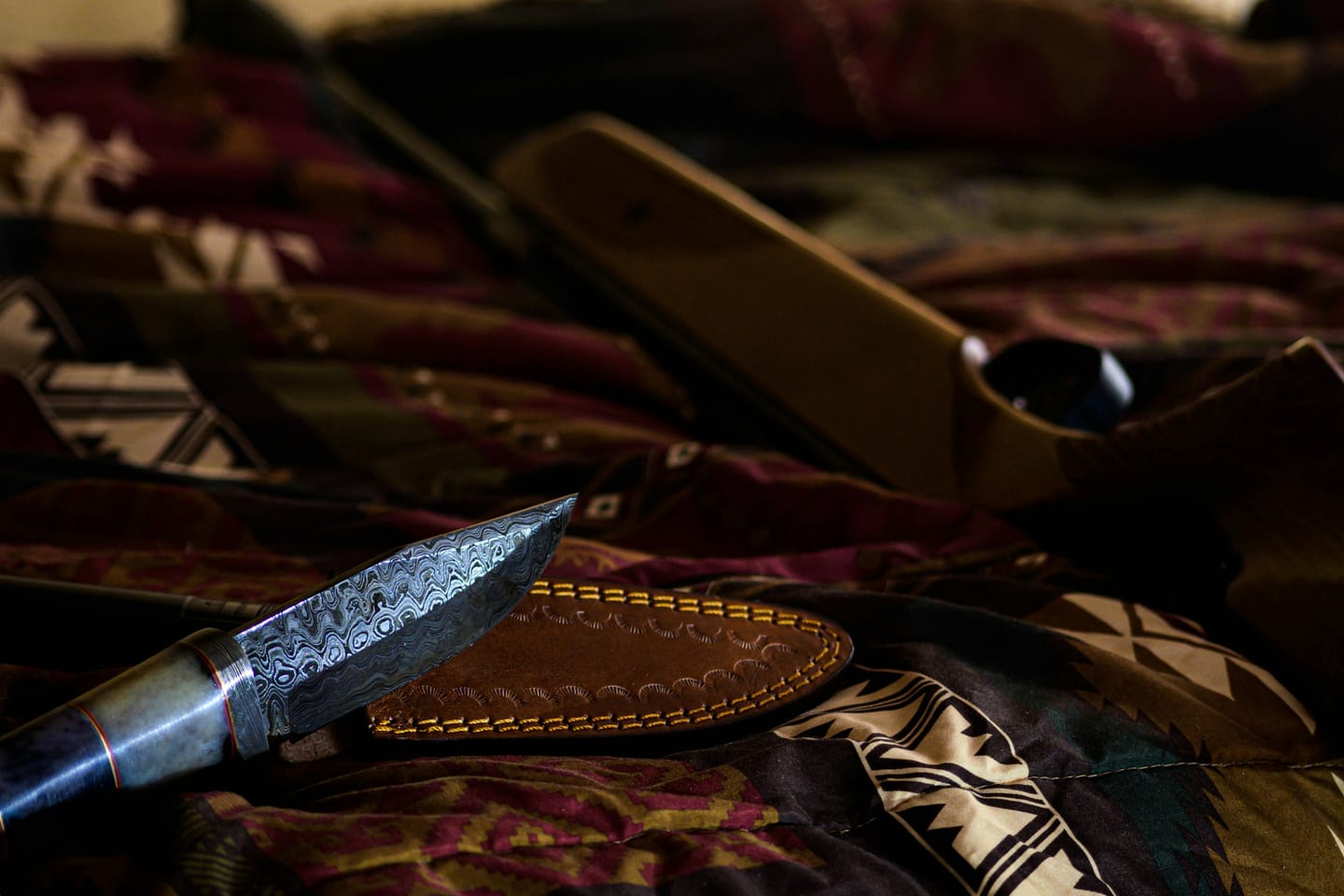
Workshop imagery: a punch used on leather
Workshop imagery
07 Hole position

Punch

Holes are punched to the agreed position and count.

Hole position, spacing and count follow the size range set for the project. Buckle-end preparation is carried out at the same stage so that the fastening lines up correctly.

Stage 07 of 11 — 64% of sequence

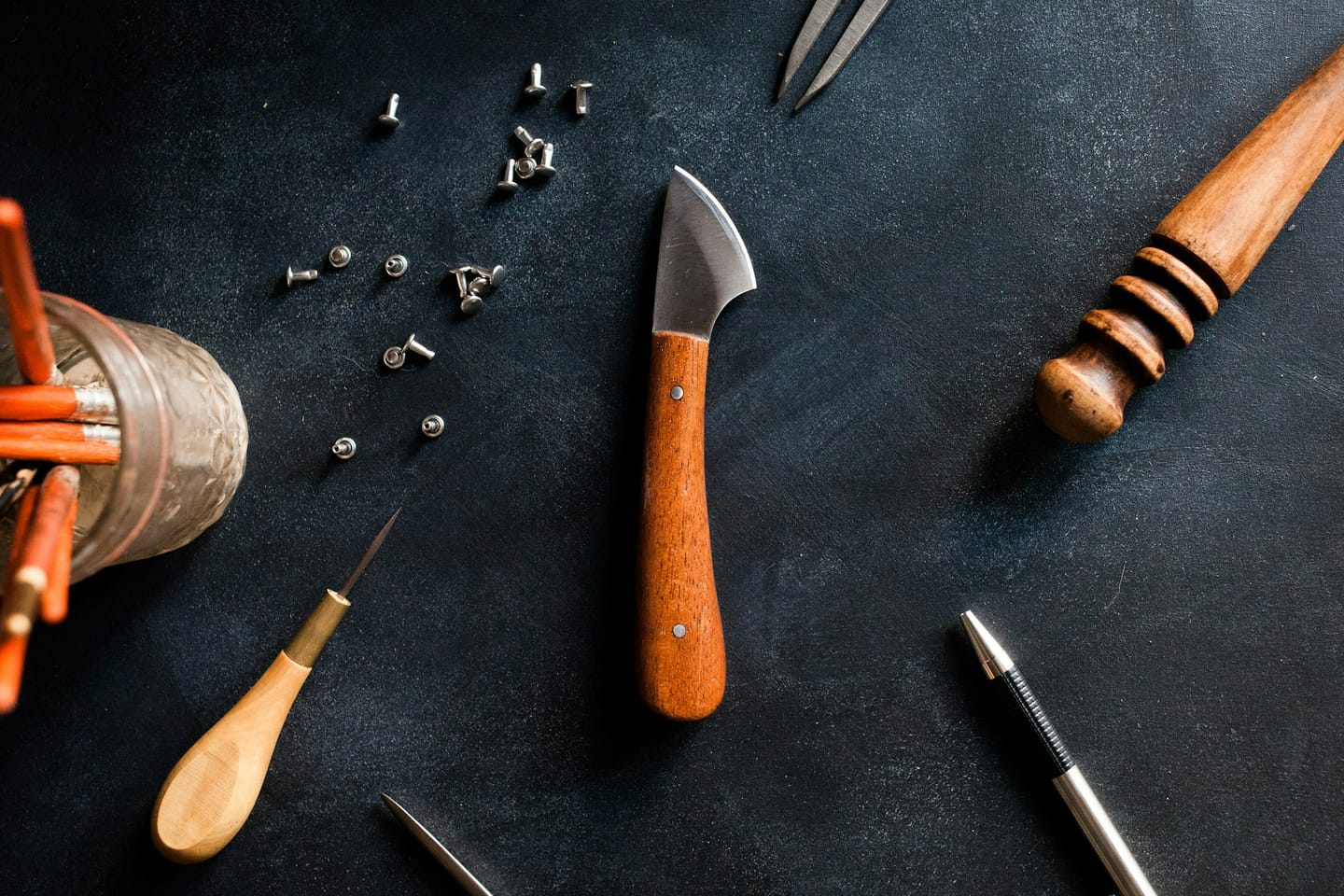
Hardware detail: a rivet set into leather
Hardware detail
08 Hardware

Assemble

Hardware is fitted and the product is brought together.

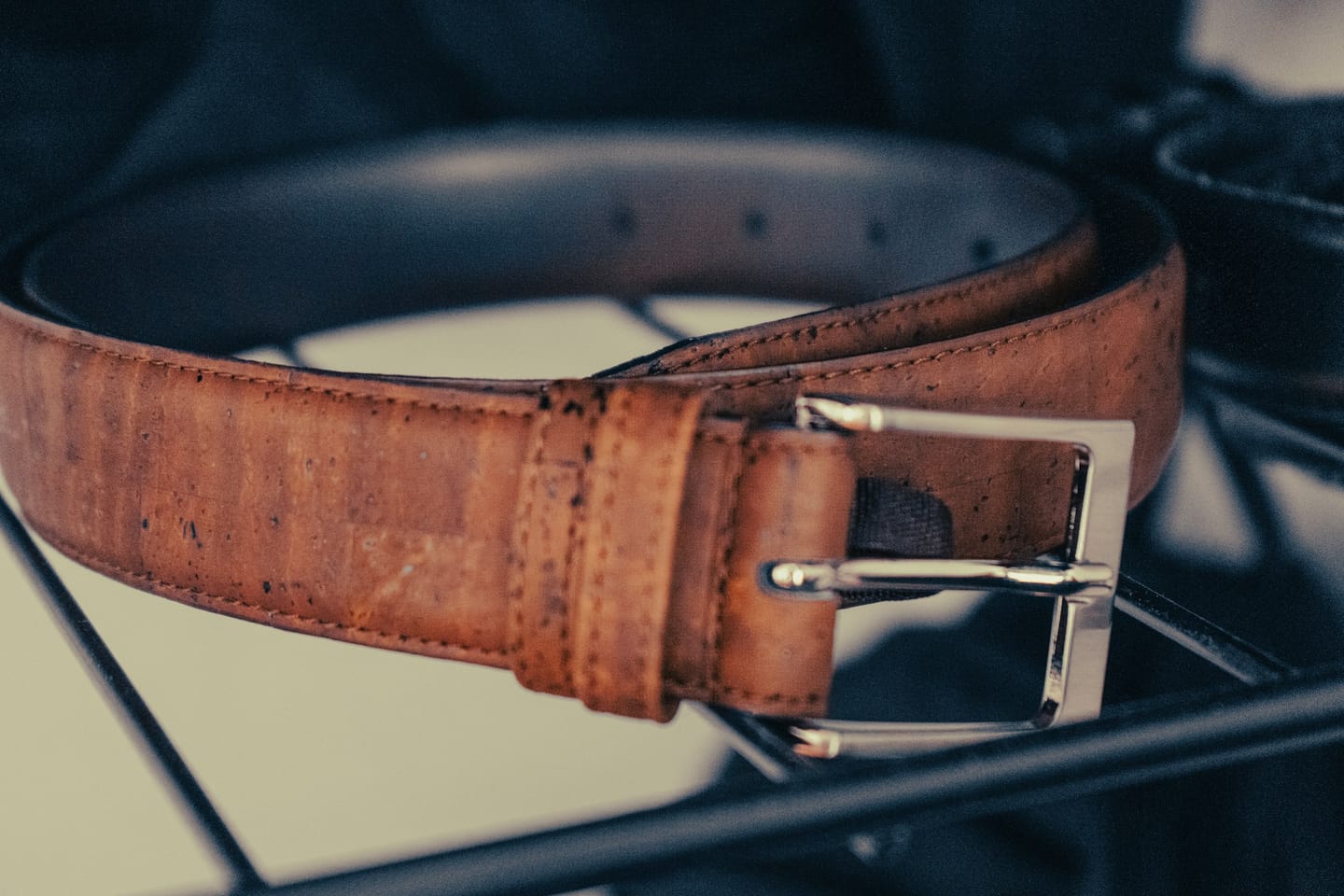
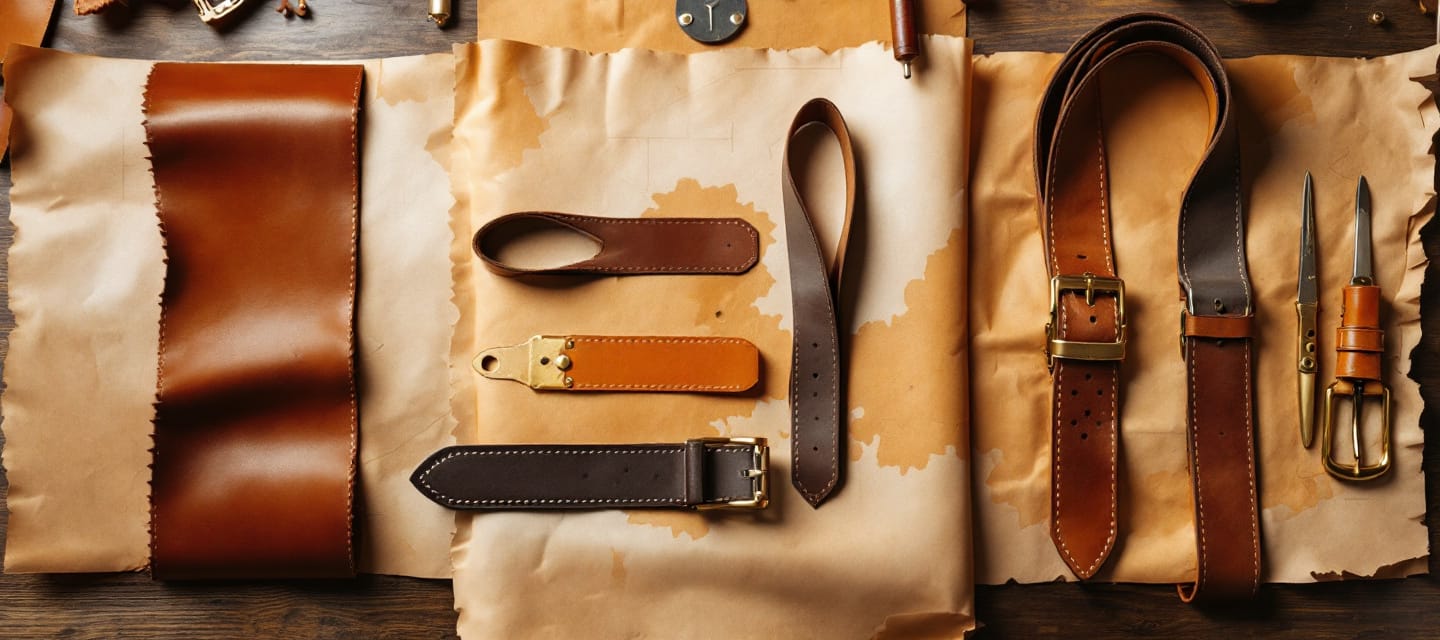
Buckles, keepers, rivets, brace fittings and other hardware are fitted in the selected direction and finish. Riveting and hardware attachment complete the mechanical construction of the product.

Stage 08 of 11 — 73% of sequence

Material detail: an embossing impression in leather
Material detail
09 Branding

Brand

The mark is applied where it was agreed to sit.

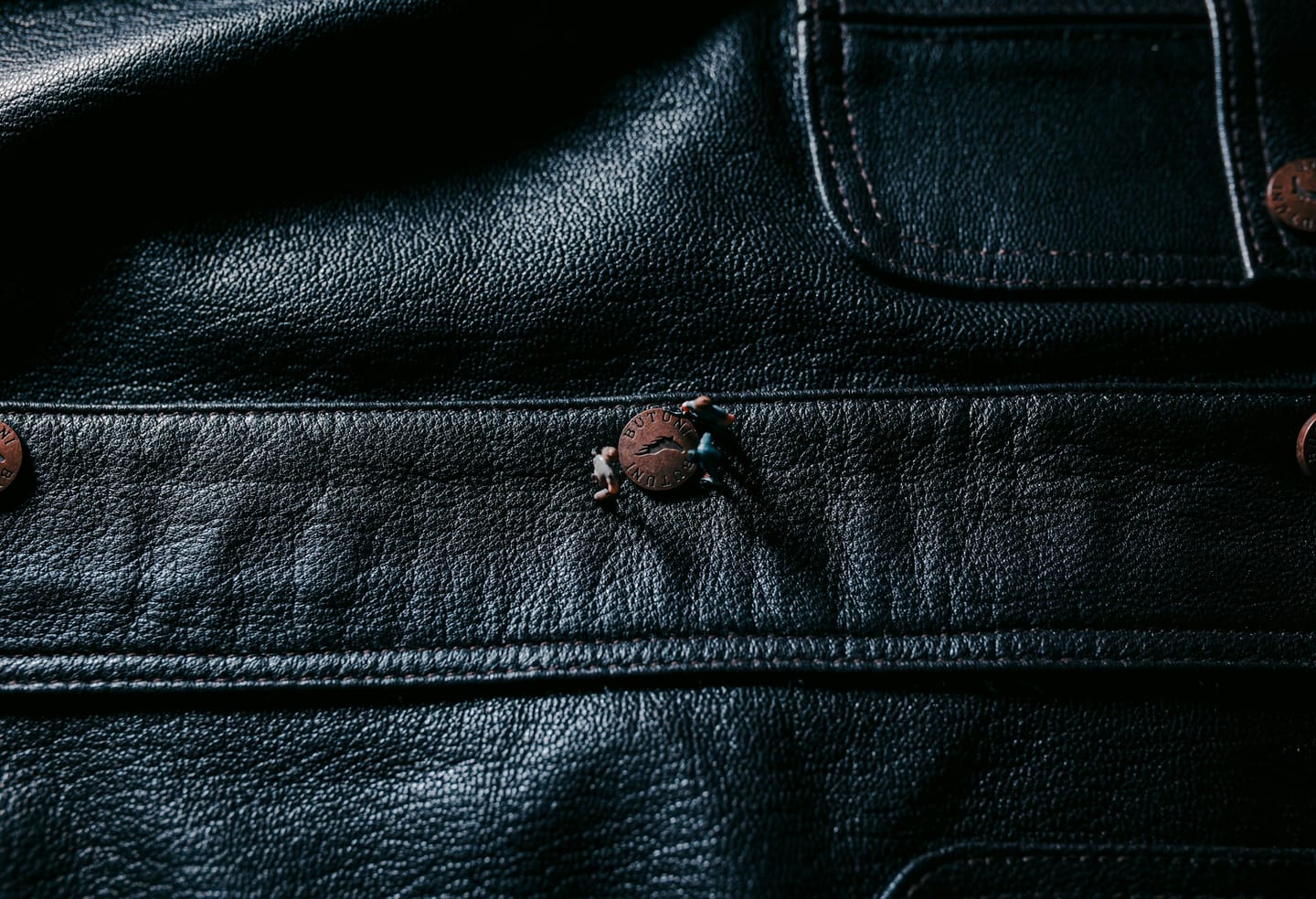
Embossing or hot-foil branding is applied in the agreed position, at the agreed size, using artwork that the customer has confirmed. What is achievable depends on the material and the method.

Stage 09 of 11 — 82% of sequence

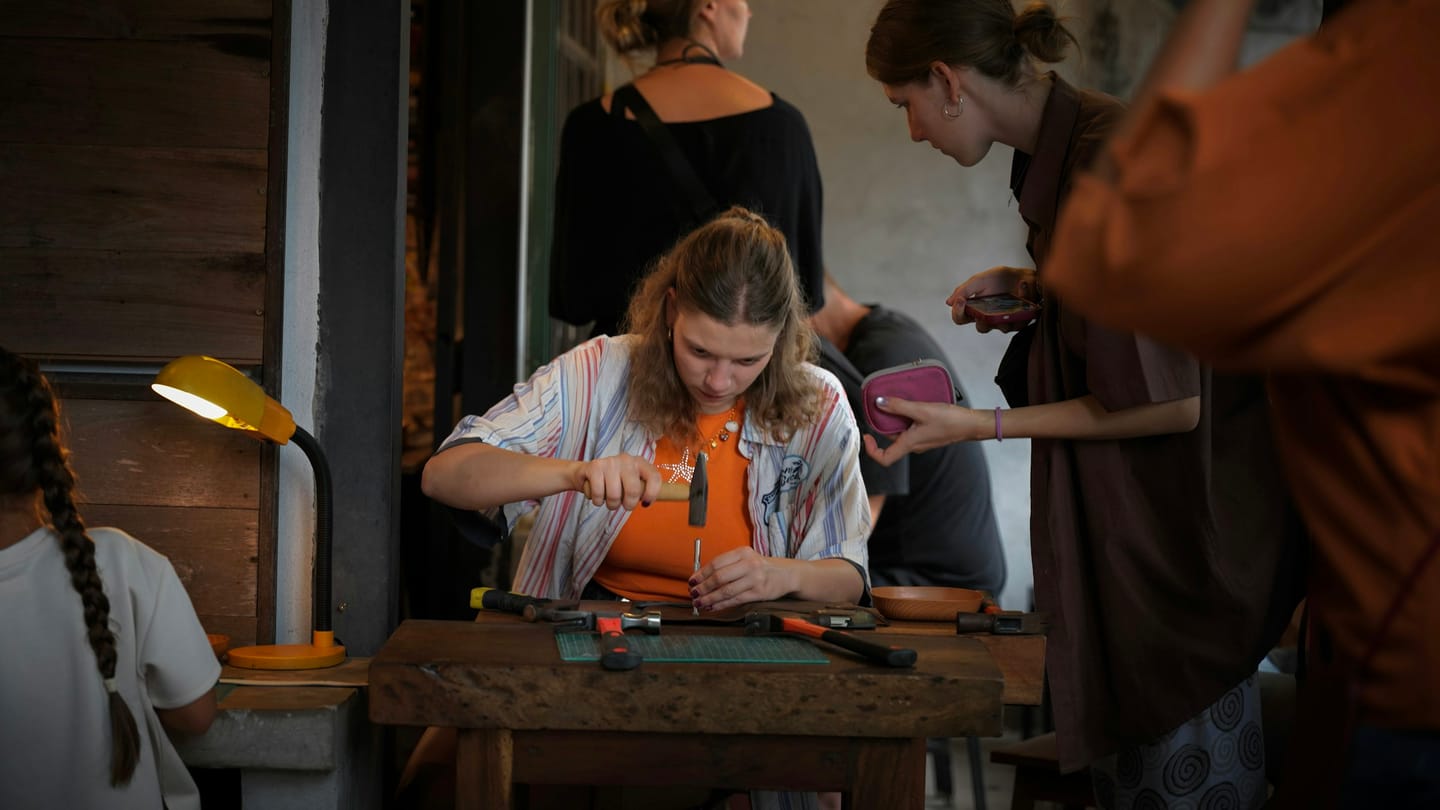
Leather manufacturing context: belt assembly at a bench
Leather manufacturing context
10 Check

Review

The product is checked against the specification it was built to.

Finished work is reviewed against the agreed specification — material, colour direction, hardware, branding, edge and construction. Natural material variation is expected and is assessed as part of the material rather than as a fault.

Stage 10 of 11 — 91% of sequence

Workshop imagery: a leather workshop interior
Workshop imagery
11 Supply

Supply

The product is prepared for the customer it was made for.

Finished product is prepared for supply in the way agreed for that project. Packaging, presentation and delivery arrangements are confirmed individually rather than offered as a standard service on this website.

Stage 11 of 11 — 100% of sequence

Manufacturing enquiry

Where does your project enter this sequence?

Some briefs arrive fully specified. Most arrive as an intention and a rough quantity. Either is a fine place to start.

  • Belts
  • Braces
  • Ties
  • Small leather goods
  • Private label
  • White label
  • Short runs